




A premium home can make everyday life feel easier, more comfortable and more enjoyable.
That does not always mean it is maintenance-free.
Distinctive materials, established landscaping, waterfront exposure, pools and shared amenities can all add to the experience of owning a property.
They can also create responsibilities buyers want to understand before making a decision.
Premium ownership is often less about avoiding maintenance and more about knowing what deserves care.
Buyers want to understand the materials
Architectural homes frequently use materials because of the way they look, perform or age.
Cedar is a common example.
Buyers may love its warmth and character, but they also want to know how it has been maintained and what will be required in future.
The same applies to specialised cladding, polished concrete, natural stone, timber decking and metal finishes exposed to coastal conditions.
A clear maintenance history can give buyers confidence.
Uncertainty can lead them to assume the work will be more difficult or expensive than it really is.
Before going to market, it helps to gather invoices, product information, warranties and records of previous care.
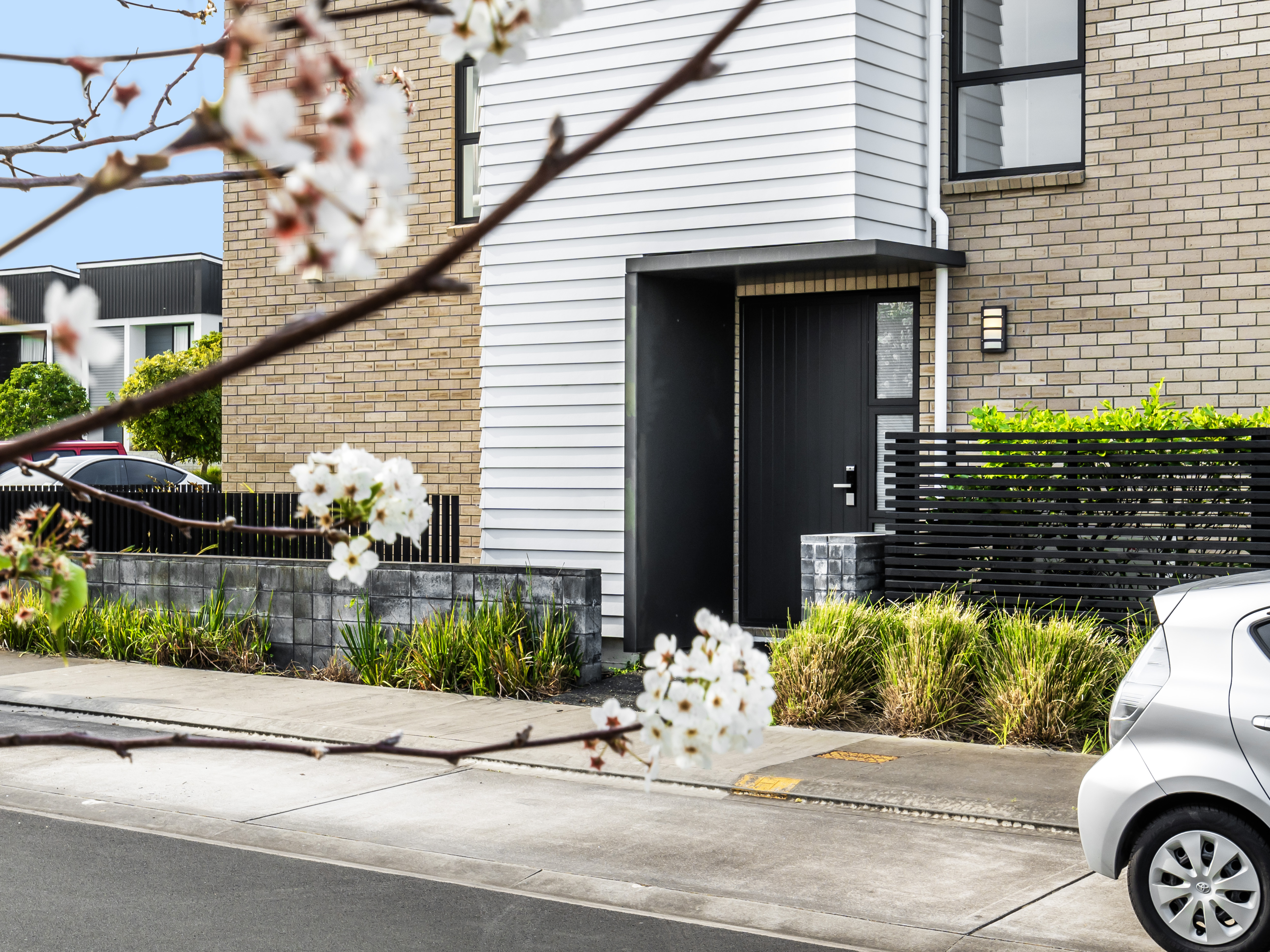
An established garden is an asset and a responsibility
Mature landscaping can create privacy, shade, outlook and a sense of calm that newer properties cannot immediately offer.
It also raises practical questions.
How often is the garden maintained?
Is professional help required?
Which plants need seasonal care?
How does the irrigation work?
Are there trees or hedges that need regular attention?
The goal is not to make the garden sound effortless if it is not.
It is to help the right buyer understand what is involved and what they receive in return.
For someone who loves gardening, the responsibility may be part of the appeal.
For someone seeking an easier lifestyle, a simple maintenance plan may provide the reassurance they need.

Pools need practical information
A pool can transform how a family entertains and uses the home through summer.
Buyers will still want to understand the practical side.
Is it heated?
Is it salt water?
How old is the equipment?
What are the approximate running costs?
Who services it?
Are there covers, warranties or recent invoices available?
Clear answers allow a buyer to evaluate the lifestyle without imagining unknown costs.
The same principle applies to spas, outdoor kitchens, irrigation systems and integrated home technology.

Shared spaces and residents’ responsibilities need context
Some premium apartments and townhouse developments include shared spaces, residents societies or additional neighbourhood obligations.
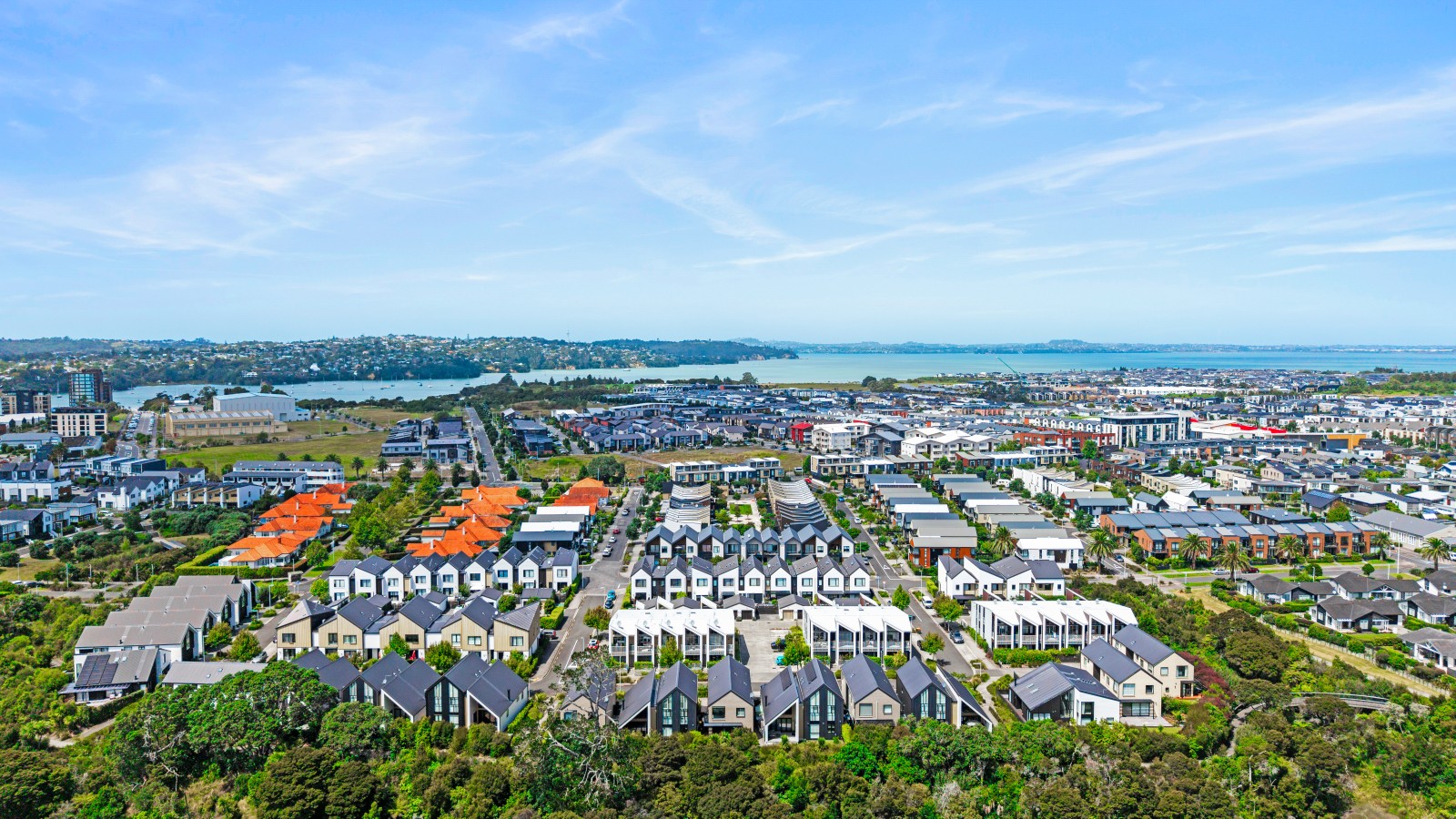
In Hobsonville Point, buyers may want to understand the Hobsonville Point Residents Society, its annual levy and the role it plays in the wider community.
They may also want clarity around which responsibilities remain with the homeowner and whether the property has any additional shared arrangements.
Depending on the property, questions may cover gardens, common rooms, storage, tool sheds, lifts, exterior cleaning, insurance or access to shared amenities.
Clear information can show how shared spaces and community standards support the lifestyle.
That can be one of the strongest benefits for a downsizer or busy professional.
But buyers need enough information to understand what each levy or arrangement provides, not only what it costs.
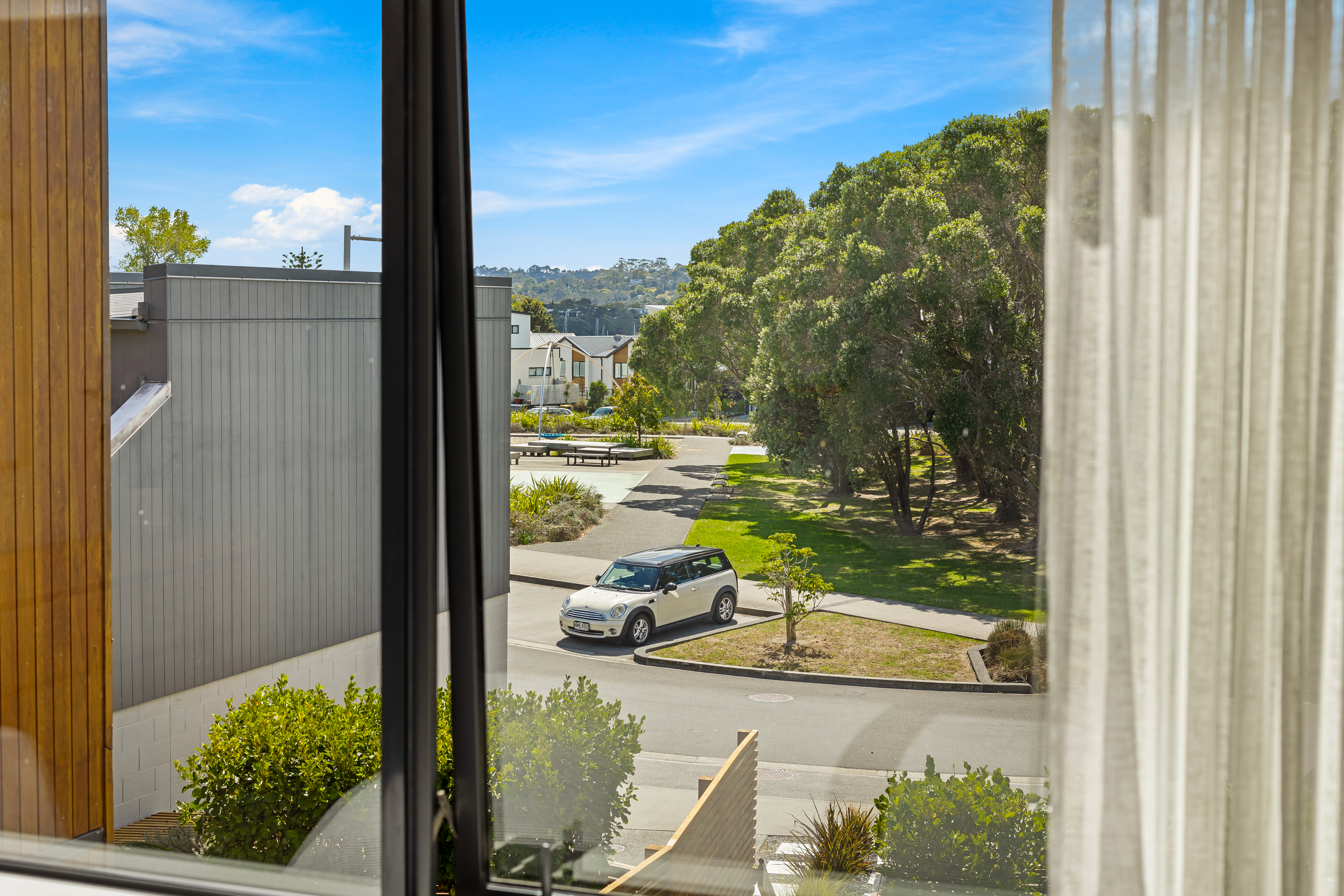
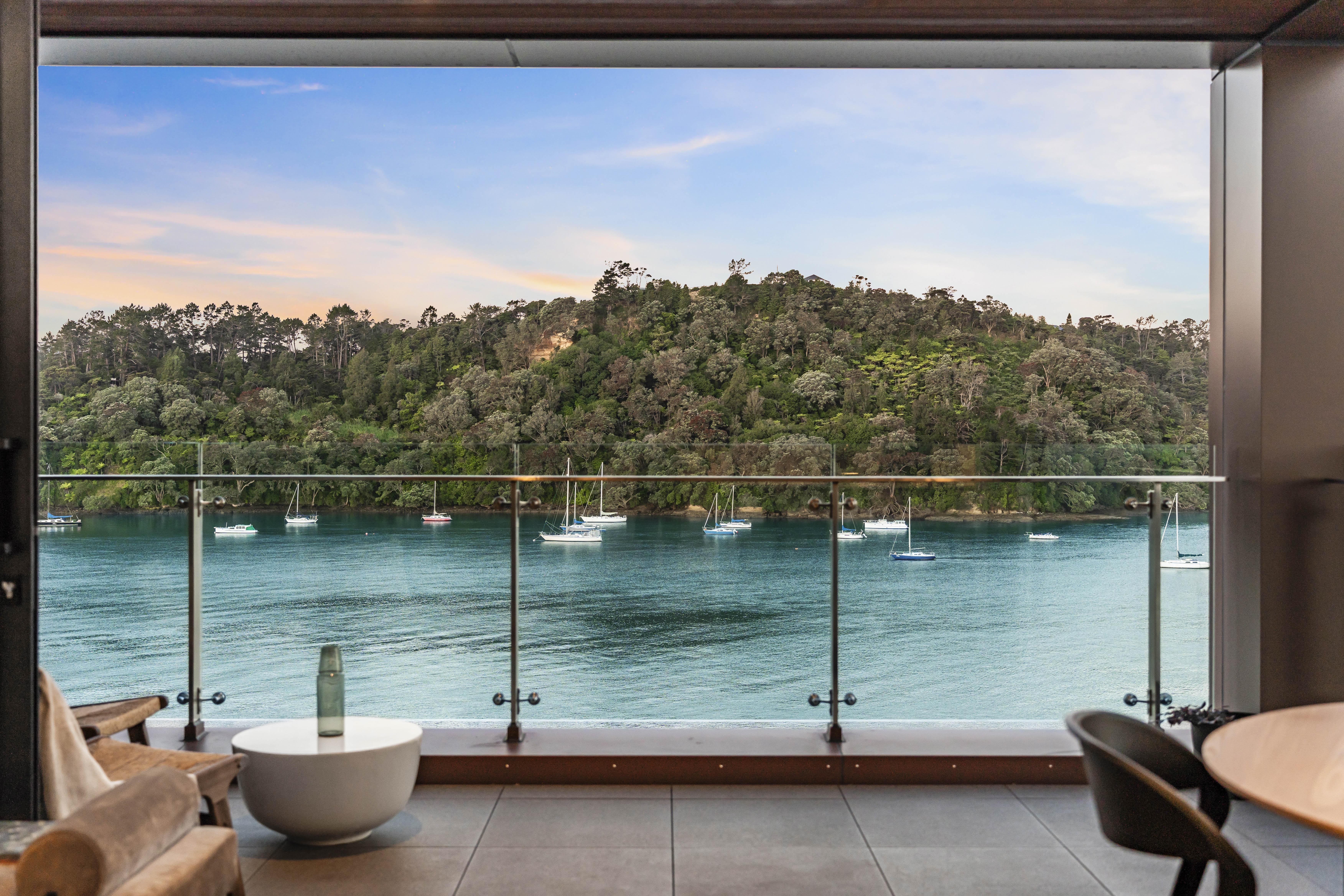
Waterfront position brings its own considerations
Living near the water can offer outlook, atmosphere and access to a lifestyle that is difficult to reproduce elsewhere.
Coastal conditions can also influence how exterior materials, glazing, metalwork and outdoor areas need to be cared for.
Buyers often appreciate honest information about what has been maintained and how the home has performed over time.
A well-documented history is more reassuring than a vague claim that everything is low-maintenance.
Warranties and records become part of the value
Premium buyers often ask detailed questions because they are considering long-term ownership.
Remaining builder warranties, product guarantees, appliance information, maintenance schedules and records of improvements can all support confidence.
This is particularly useful when a home contains features the buyer has not owned before.
The documentation does not need to be presented as a complicated technical file.
It should be organised, current and easy to understand.
That preparation can reduce uncertainty during due diligence and help the buyer focus on the property rather than chasing missing information.
For a premium home, documentation is part of presentation. It demonstrates that the property has been understood and cared for, rather than leaving practical questions disconnected from the marketing.
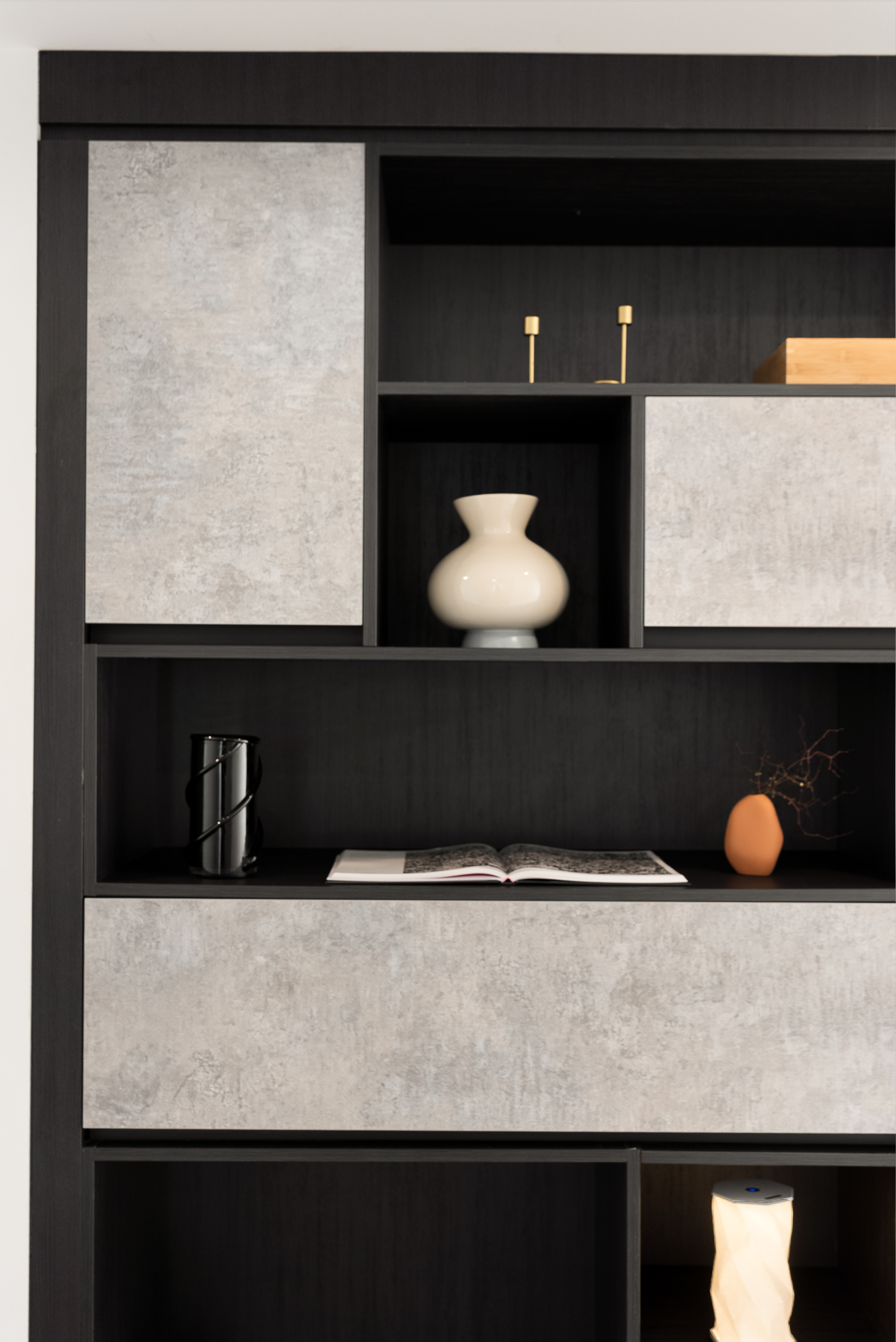
Running costs should be explained, not avoided
A larger or more complex home may have higher running costs than a standard property.
It may also include design features that improve comfort and efficiency.
Buyers may ask about heating, cooling, water use, pool operation, garden care, residents society fees or other shared-space levies.
Avoiding the topic rarely helps.
Where possible, realistic information allows buyers to make an informed decision and prevents them from assuming the worst.
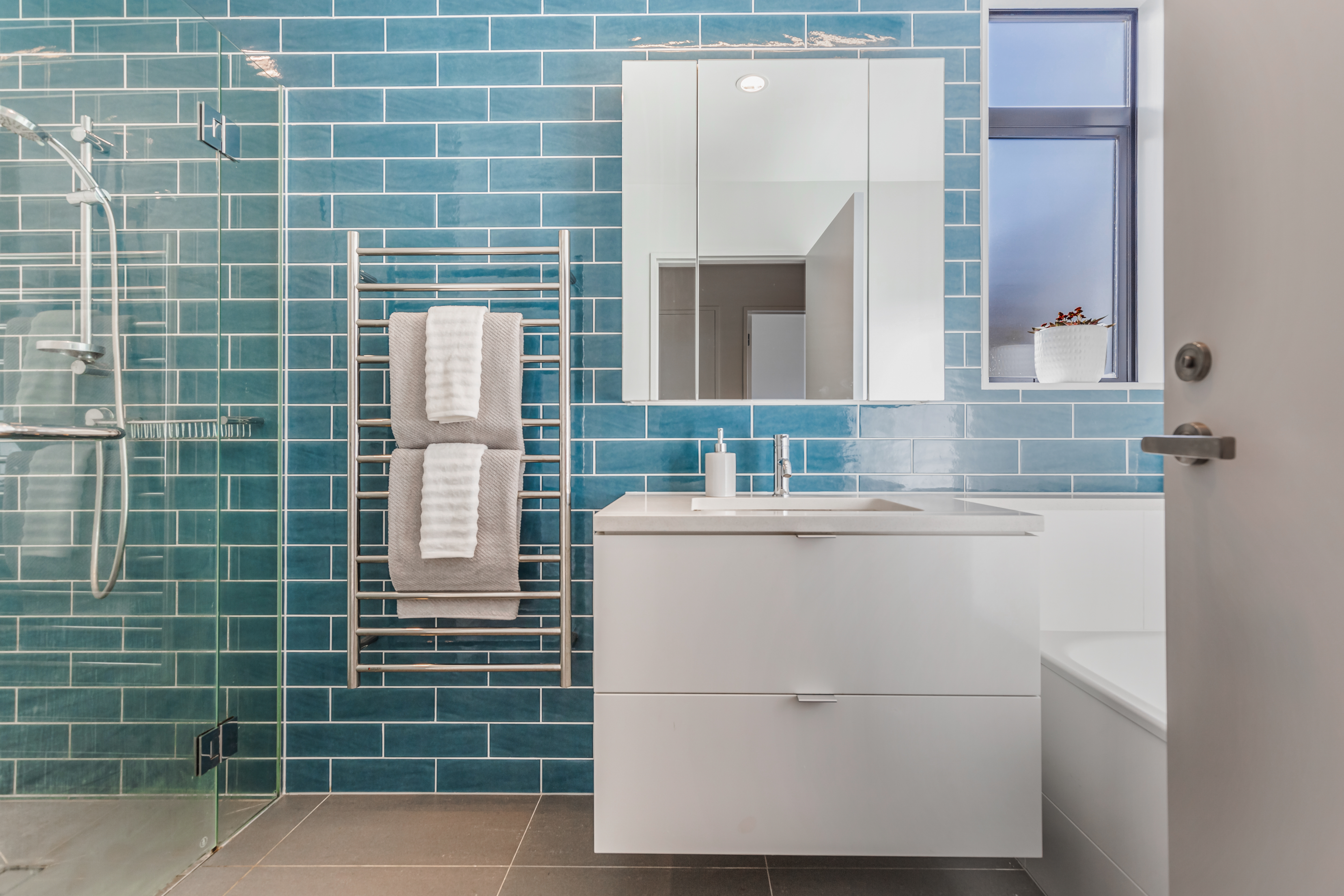
Good ownership information strengthens the story
A beautiful campaign may create the initial interest.
Practical information helps the buyer remain confident once their interest becomes serious.
The two should support each other.
If the marketing celebrates a cedar exterior, the maintenance history should be ready.
If the garden is central to the lifestyle, buyers should understand how it is cared for.
If the property promises easier living through shared amenities, the relevant society or shared-space information should make that benefit clear.
Premium representation should not separate the emotional side of the home from the responsibility of owning it.
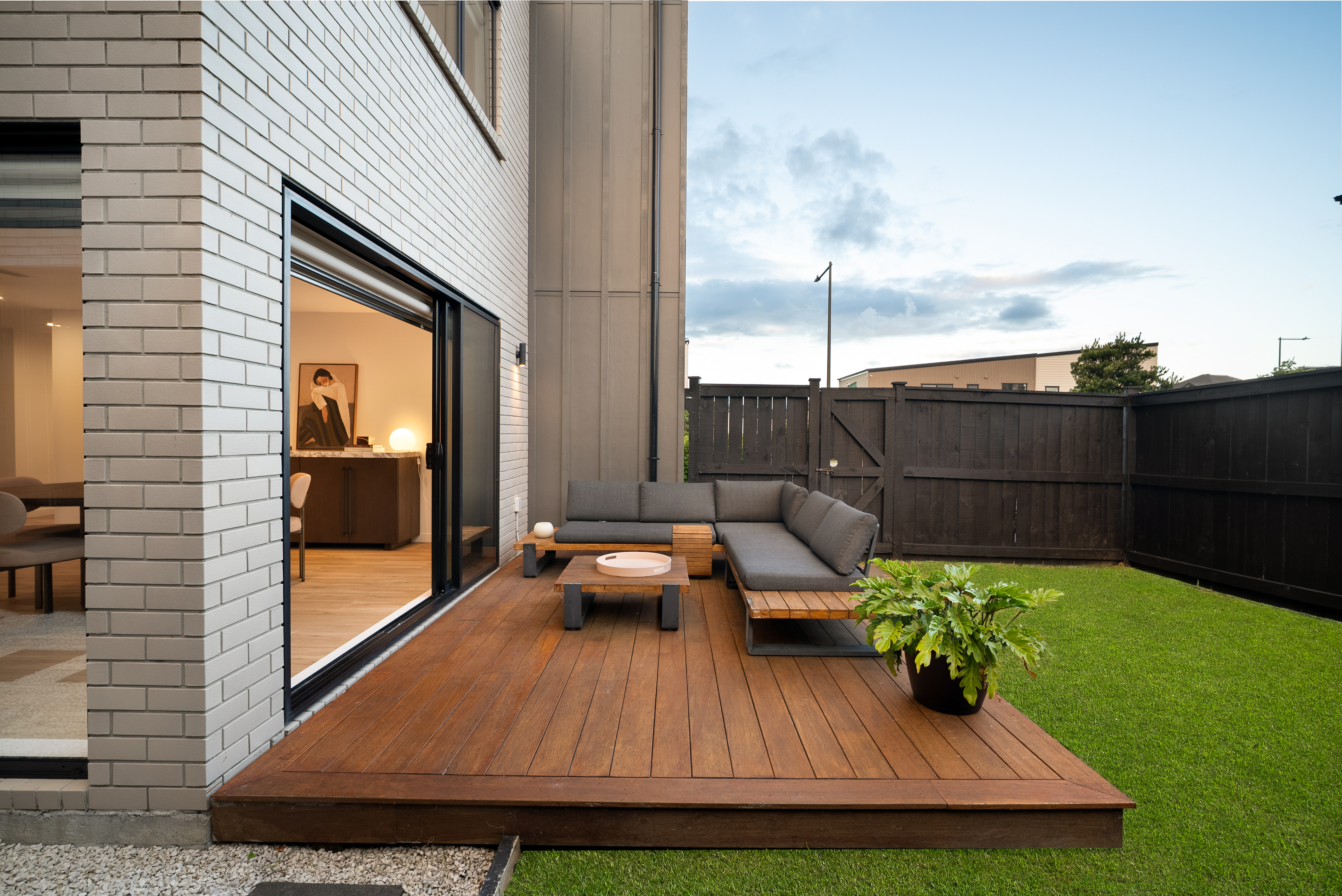
What this means when selling
Before launching a premium property, it is worth looking at the home through the eyes of someone preparing to own it.
What will they want to maintain?
What may be unfamiliar?
Which costs or responsibilities could create uncertainty?
What records would give them confidence?
Answering those questions early does more than make due diligence easier.
It shows that the home has been understood and cared for.
Premium ownership is not always about having nothing to do.
It is about knowing what matters, how it has been looked after and what the property gives back in return.

Is your home ready for detailed buyer questions?
We can help prepare the information premium buyers need to move forward with confidence.