


How We Identify the Buyer Most Likely to Value a Premium Home


The strongest buyer for a premium home is not always the person with the largest budget.
It is often the person who places unusually high value on something the property offers.
That difference matters.
A home may be attractive to many people, but only a smaller group may see it as the exact answer to the next stage of their life.
Our job is to work out who those people are before the campaign begins.
We start with the life the home supports
The number of bedrooms and price provide a starting point.
They do not tell us enough about the likely buyer.
We look at how the property actually works.
Is it designed for entertaining?
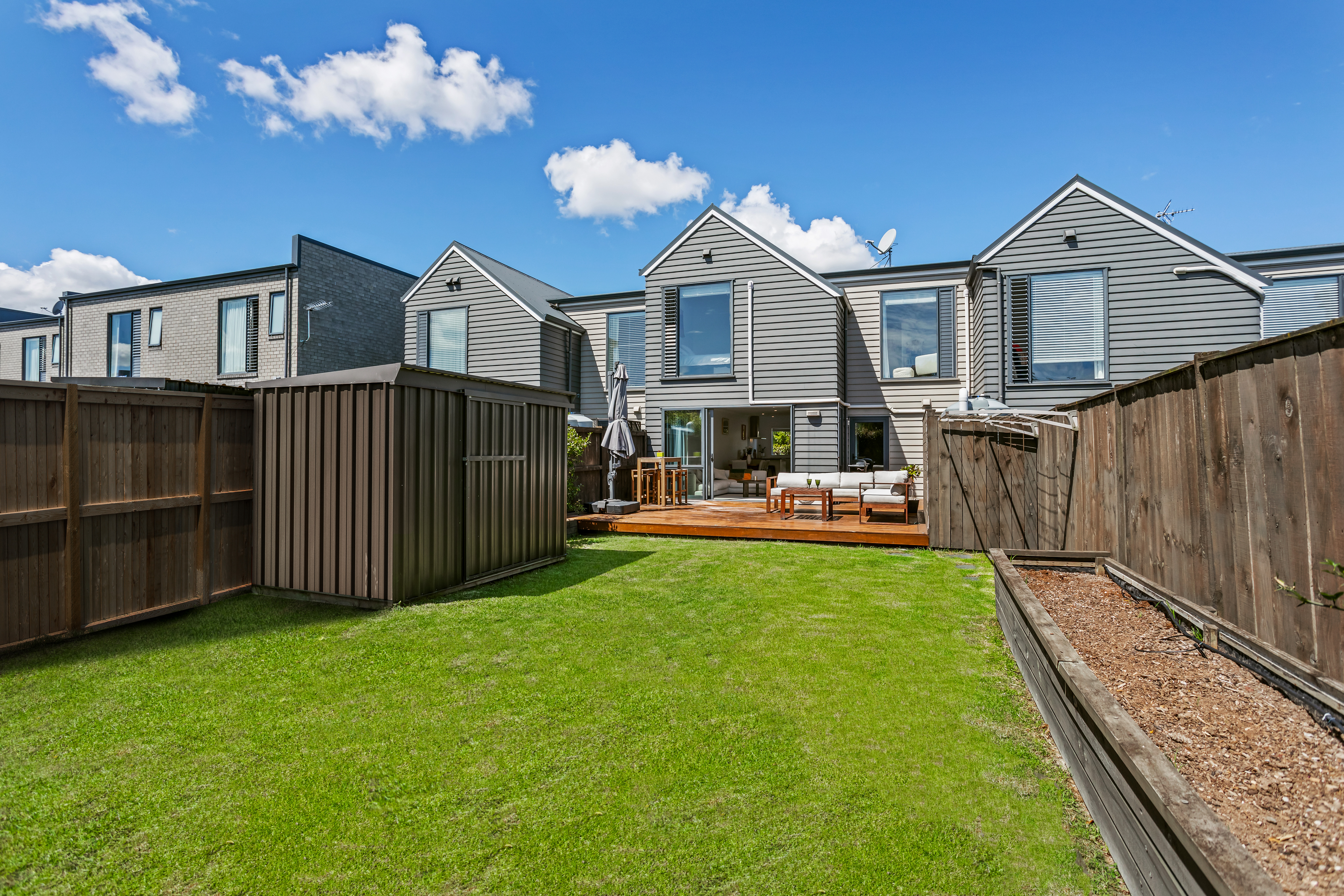
Does it allow a family to gain space without creating more maintenance?
Would it suit someone leaving a larger property but unwilling to compromise on quality?
Is there a separate area that changes how teenagers, guests or people working from home could use it?
Does the location simplify routines that are already important to someone?
These questions help reveal the life stage the property is most likely to suit.

Local buyers may understand the value sooner
Some premium homes have qualities that buyers from outside the area need time to discover.
Local buyers may already understand them.
They know the streets.
They have walked past the development.
They may recognise the builder or have admired a particular style of home for years.
They also know what would be difficult to replace without leaving Hobsonville.
That can make local upsizers, downsizers and existing residents an important part of the audience.
When local upsizers already knew the home
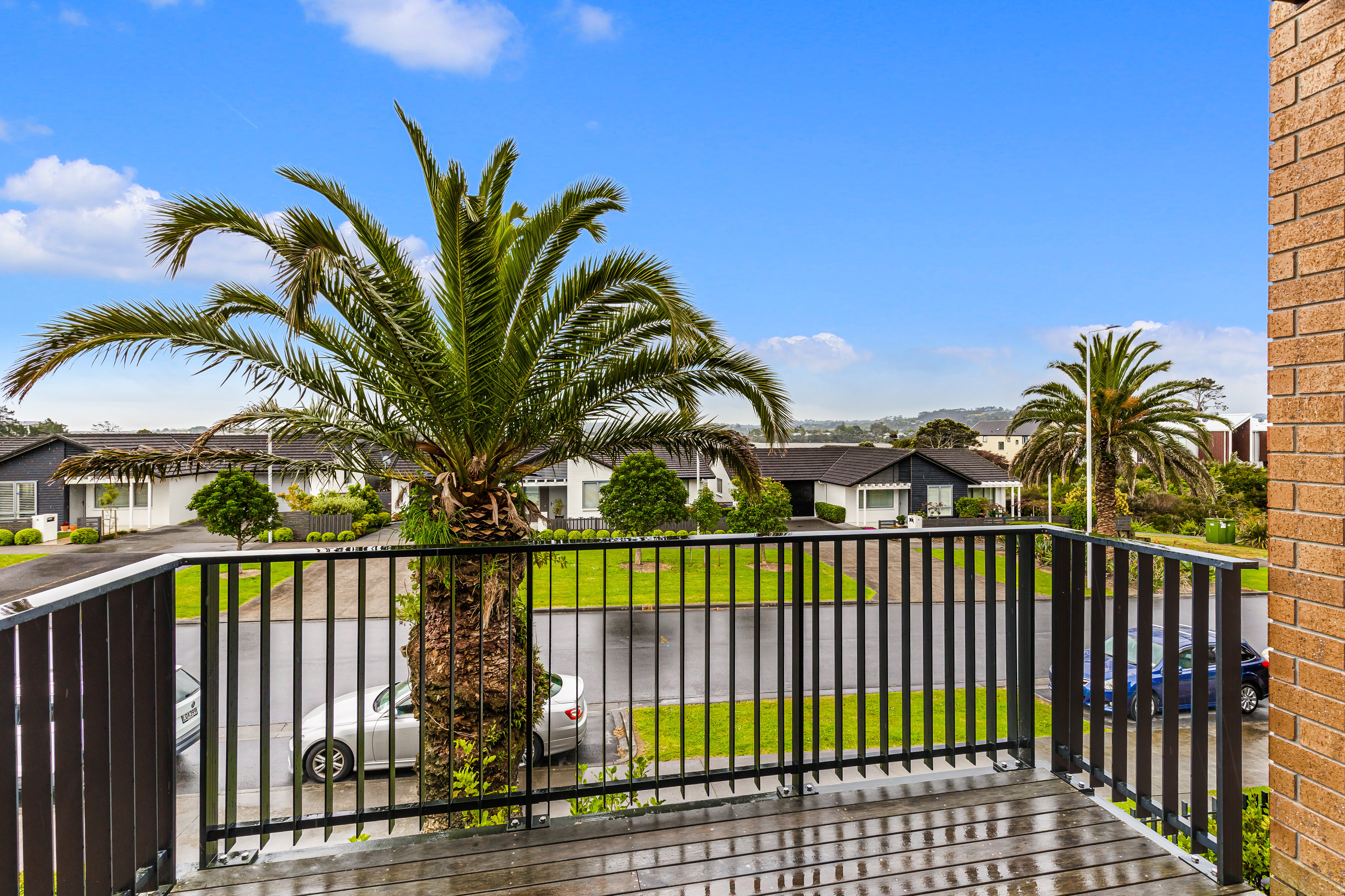
We sold a premium Jalcon family home to local upsizers before it reached the wider market.
They had always admired the architectural design.
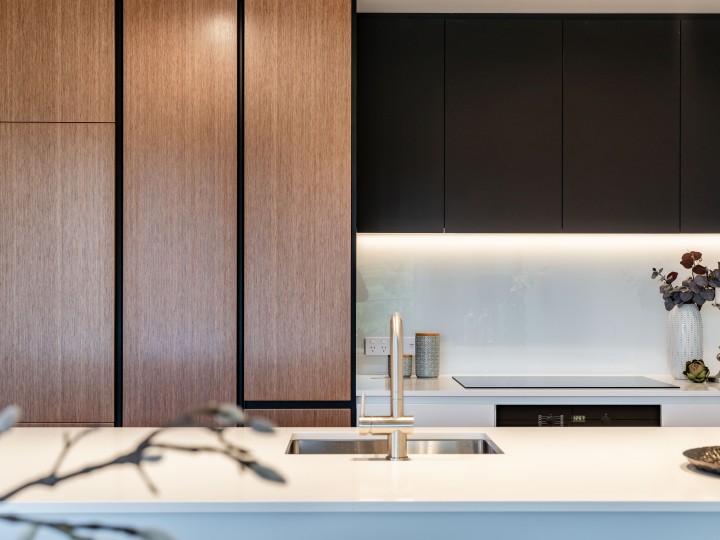
The high ceilings, openness and way the home was planned immediately appealed to them.
They also recognised the upgrades the owners had made throughout their years of living there.
For these buyers, the home was not an unfamiliar product that needed to be explained from the beginning.
It was a property they already understood and had quietly pictured as part of their future.
The opportunity appeared, and they knew what it represented.
That is one reason a buyer database is most useful when it contains real knowledge rather than a list of names.
Knowing that someone wants four bedrooms is not enough.
Understanding why they want them, where they want to stay and what kind of home they have been waiting for is far more valuable.

We consider what the buyer is moving from
A buyer’s current home can reveal as much as their stated wish list.
Someone moving from a lifestyle property may want less land but still need privacy and outlook.
A local family in a compact townhouse may want more separation, a second living area or better outdoor space without changing schools.
A downsizer leaving a large family home may be comfortable with a smaller footprint but unwilling to give up light, quality or room to entertain.
Understanding what they are leaving behind helps us recognise which compromises they are prepared to make and which they are not.

The likely buyer affects how the home is introduced
Different audiences need different information.
A local upsizer may respond to the opportunity to stay connected with schools, friends and routines.
A downsizer may want to understand maintenance, storage and how the home works when family visits.
Someone already familiar with the builder may focus on how this property differs from the one they own now.
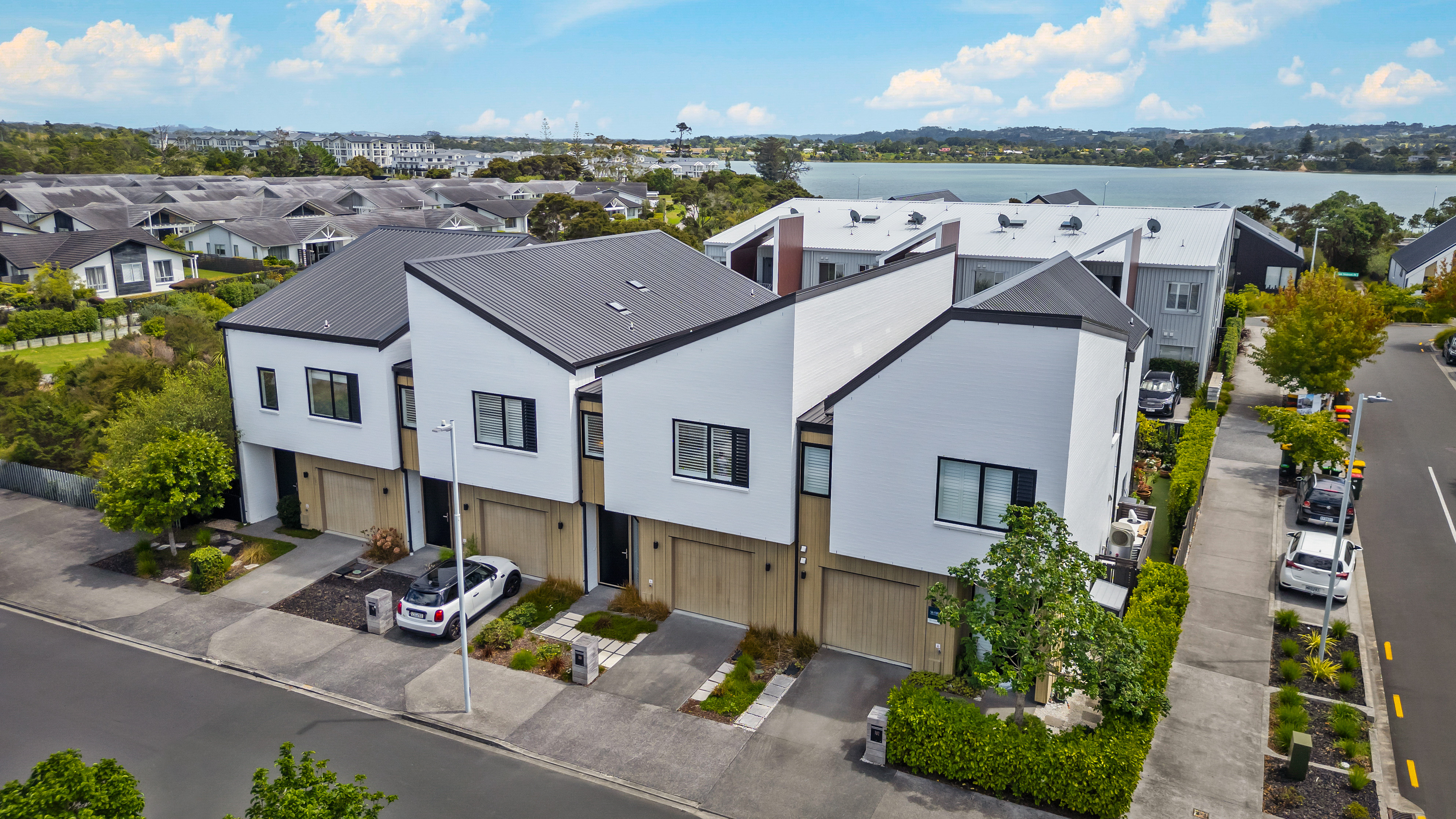
An out-of-area buyer may need more explanation of the neighbourhood, transport, waterfront and everyday convenience.
The property has not changed.
But the way its value is understood can be very different.
We test the assumption against the market
Buyer behaviour also changes with the market. Our recent observations are explored in Hobsonville Buyers Have Changed. Have Sellers Kept Up? and What Today’s Hobsonville Point Buyers Really Want.
Identifying the likely buyer is not about deciding that only one type of person can purchase the home.
It is a working strategy.
Once the campaign begins, we compare our expectations with what is actually happening.
- Who is enquiring?
- Who is returning for another viewing?
- Which buyer groups are asking detailed questions?
- What alternatives are they comparing?
If the response differs from what we expected, the strategy should adapt.
The goal is not to defend the original assumption.
It is to keep learning until the clearest opportunity is understood.

The right buyer may value one feature far more than others do
Premium results are often created when a buyer sees more value in a particular quality than the wider market does.
That could be staying in a community their family loves.
It may be moving into a larger home from a builder they already trust.
It could be obtaining a level of privacy, architecture or convenience they have struggled to find elsewhere.
The feature does not need to matter equally to every buyer.
It needs to matter enough to the right one.
What this means when selling
A broad marketing campaign can create visibility.
But visibility alone does not guarantee that the right buyers will understand the opportunity.
Before selling a premium home, we want to know:
Who is most likely to value what makes it different?
What stage of life are they entering?
What are they trying to keep from their current lifestyle?
What are they ready to leave behind?
And what would make this home feel like a rare fit rather than another option?
The strongest buyer is often not someone we persuade to want the property.
It is someone whose life already gives them a reason to value it more deeply.


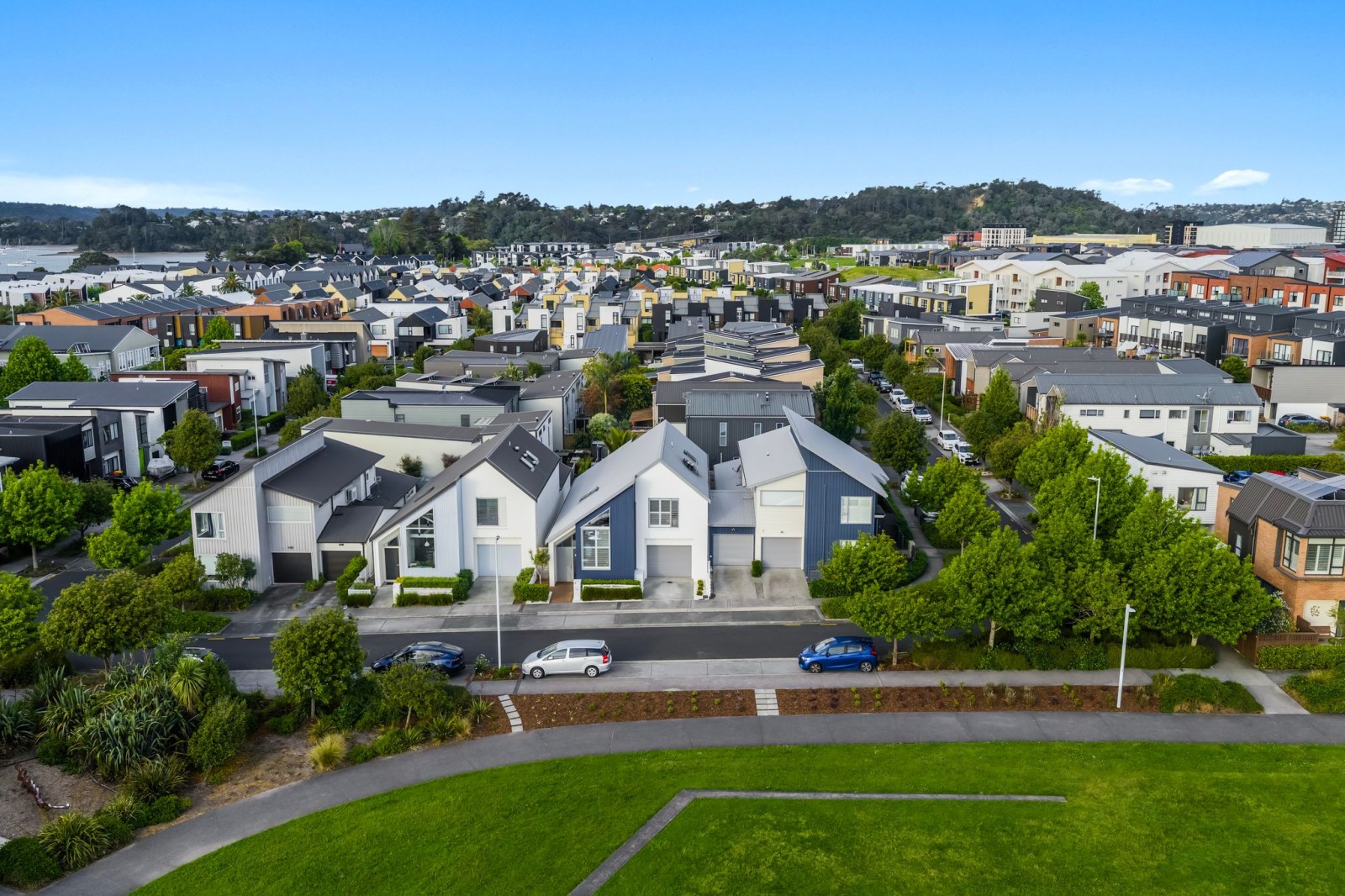
Who is most likely to value your home?
A strong campaign begins with a clear view of the people most likely to recognise its full value.