


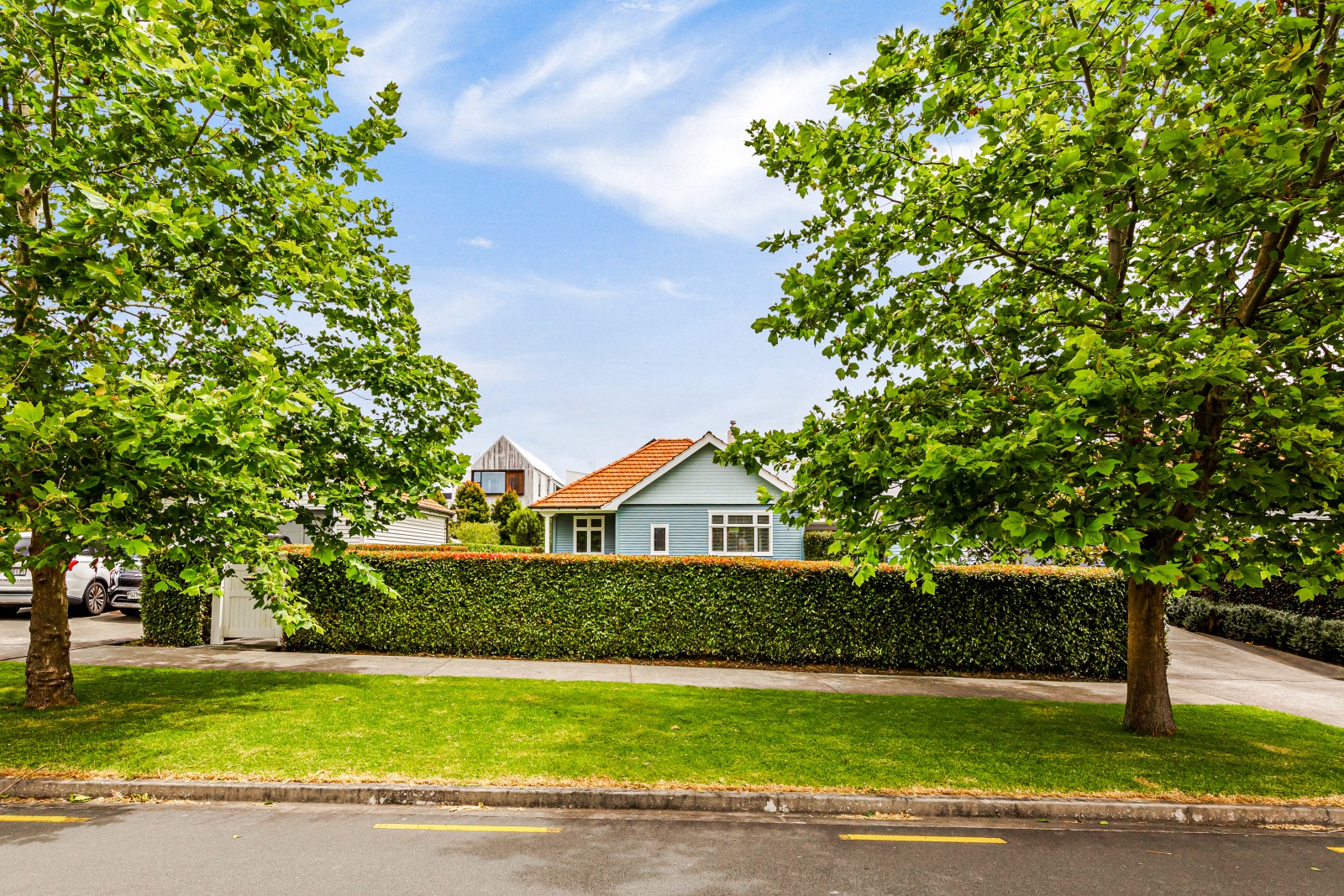
A list of specifications can describe a home.
It cannot always explain it.
Floor area, the number of bedrooms, materials and appliances tell buyers what is there.
The story behind the property helps them understand why it was created that way, what has shaped it and why it may be difficult to find again.
That matters particularly with premium homes.
The first question is often not about price
When we walk through a distinctive property, one of the first things we want to know is:
What is the story behind this home?
Who designed it?
Who built it?
Why was it positioned this way?
What was the original vision?
Who has lived there?
What have the owners changed, protected or improved over time?
These questions help us see beyond the visible features.
A large window may be there to frame a particular outlook.
A material choice may connect with the history of the site.
An established garden may reflect years of care rather than a recent attempt to prepare for sale.
Once the reason behind a feature is understood, it becomes easier to explain its value honestly.

Hobsonville has layers of history
Hobsonville is not a suburb with one architectural story.
There are original homes connected to farming, pottery and the former air base.
There are restored and repurposed military buildings.
There are waterfront precincts that draw on that history while creating something contemporary.
And there are newer homes built by developers with very different ideas about architecture, community and daily living.
The history should not be used as decoration.
It should help buyers understand the relationship between the property and the place around it.

When a buyer was comparing Muriwai
We once sold a waterfront Willis Bond property to a purchaser who had been living in and comparing homes around Muriwai.
At first, those locations might seem to offer very different lifestyles.
Muriwai provides a dramatic coastal environment, space and a strong connection to nature.
Hobsonville Point offers a more connected, lower-maintenance version of waterfront living.
What drew the purchaser was not simply the view.
She responded to the architectural design, the way Willis Bond had incorporated the local history into the wider setting and the quality of life the home could offer.
She could retain a connection to the water and distinctive architecture while gaining convenience and reducing the level of maintenance around her.
The story helped explain why this home was not merely an alternative location.
It was a different expression of the lifestyle she already valued.

Provenance can change how buyers see a home
In premium property, provenance means understanding where the home came from.
That could include the architect, builder, development, original purpose or the decisions made by a long-term owner.
It does not automatically add value.
A recognised name should never replace proper assessment of the individual property.
But provenance can give buyers confidence and context.
It may explain why the ceiling height feels different, why the landscape has been integrated in a particular way or why the surrounding streets and public spaces feel so considered.
It can also help a buyer understand what they are becoming part of, not only what they are purchasing.

The owner’s chapter matters too
The original design is only one part of the story.
Homes evolve.
Owners improve gardens, change the way rooms are used, add storage, update materials and solve practical problems that only become apparent through years of living there.
Those decisions can become part of the property’s value.
The important thing is to understand which changes strengthened the original intent and which simply reflect personal taste.
A premium campaign should not turn every improvement into a grand claim.
It should identify the changes that genuinely improved how the home lives.

A story should be specific and verifiable
There is a risk in trying too hard to make every home sound historic or architecturally significant.
Buyers can sense when a story has been manufactured.
A strong property story is grounded in details that can be explained.
The builder.
The design intention.
The history of the site.
The reason for a renovation.
The owner’s experience of living there.
The way a particular feature changes daily life.
The goal is not to romanticise the property.
It is to give buyers enough context to recognise what they are looking at.

Story and information need to work together
Premium buyers may be emotionally drawn to a home, but they still need practical confidence.
If the story centres on original materials, buyers may want to understand how they have been maintained.
If the home sits within Hobsonville Point, buyers may ask about Hobsonville Point Residents Society membership, shared spaces or any neighbourhood responsibilities.
If a garden has evolved over many years, they may want to know what is required to care for it.
The story creates meaning.
The information allows the buyer to act with confidence.
Both are needed.

What this means when selling
The story behind a premium home can influence who notices it and how deeply they connect.
It can explain why a feature exists, why the home feels different and why the location offers more than a point on a map.
But the story has to be discovered before it can be told.
That begins with asking better questions.
Not only what the home has.
But who created it, how it has evolved and what it allows someone to experience.
A specification list helps a buyer compare.
A genuine story helps them understand why the property may not be comparable at all.




What is the story buyers need to understand?
We take the time to uncover the history, decisions and details that make a distinctive home meaningful.