


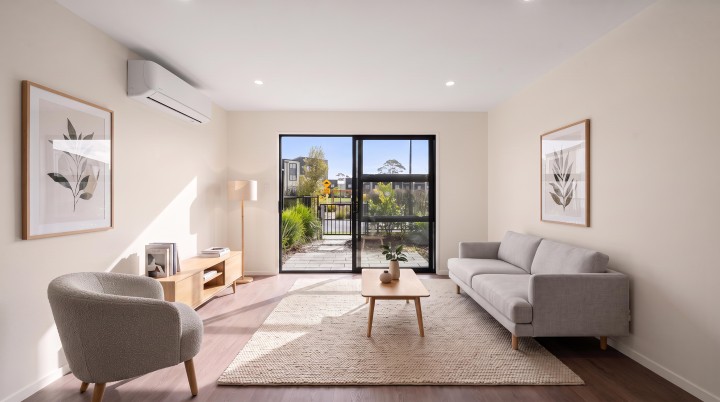
The word premium gets used a lot in real estate, sometimes it means a high price.
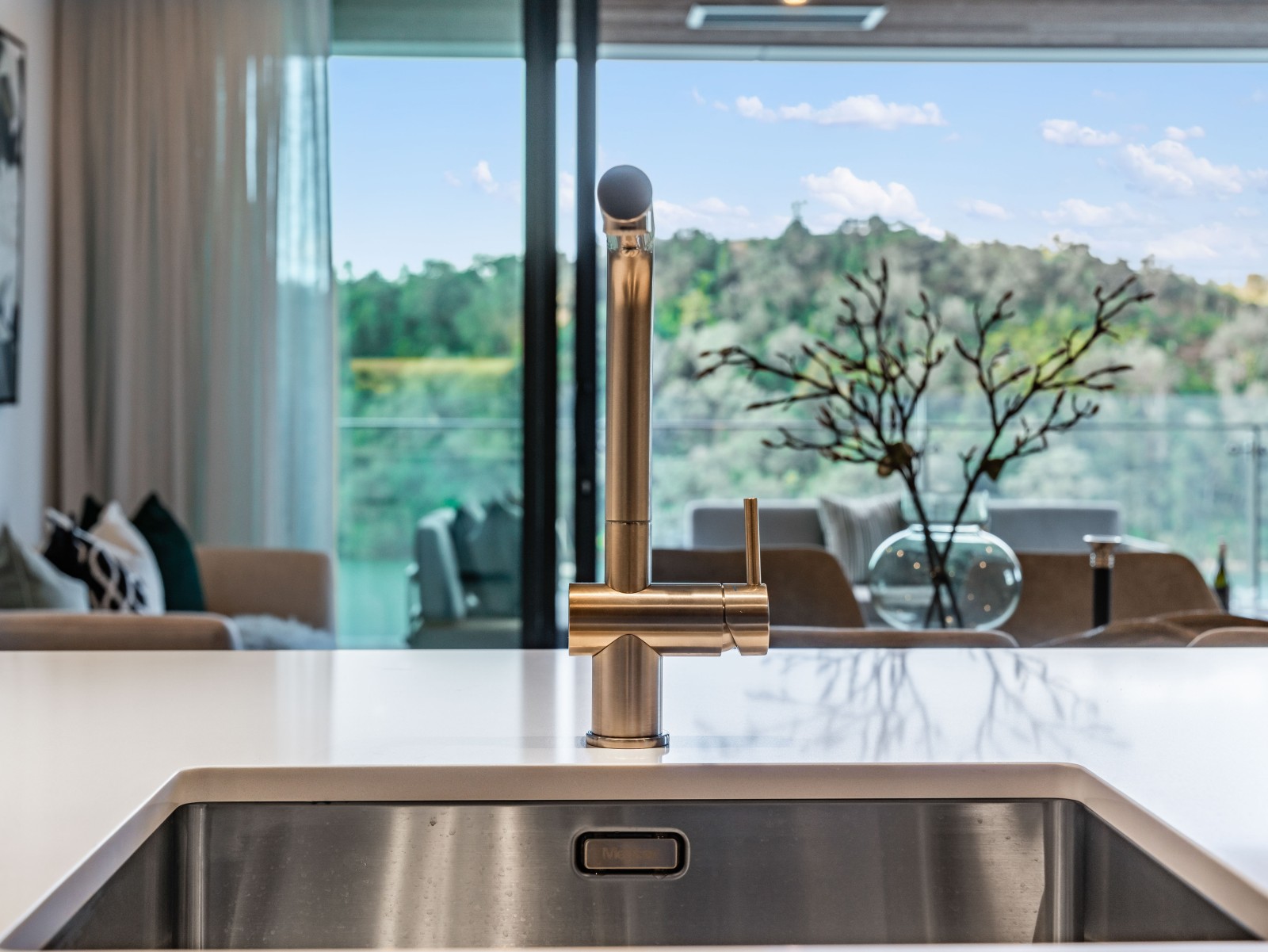
Sometimes it means expensive appliances, a larger floor plan or a particular address.
Those things can all contribute to value. But after representing homes across Hobsonville, we do not think any one of them is enough to make a home genuinely premium.
The homes that stand apart usually have something deeper in common.
They have qualities that feel intentional, work together and would be difficult to recreate.
Premium is not one type of property
There is no single version of a premium Hobsonville home.
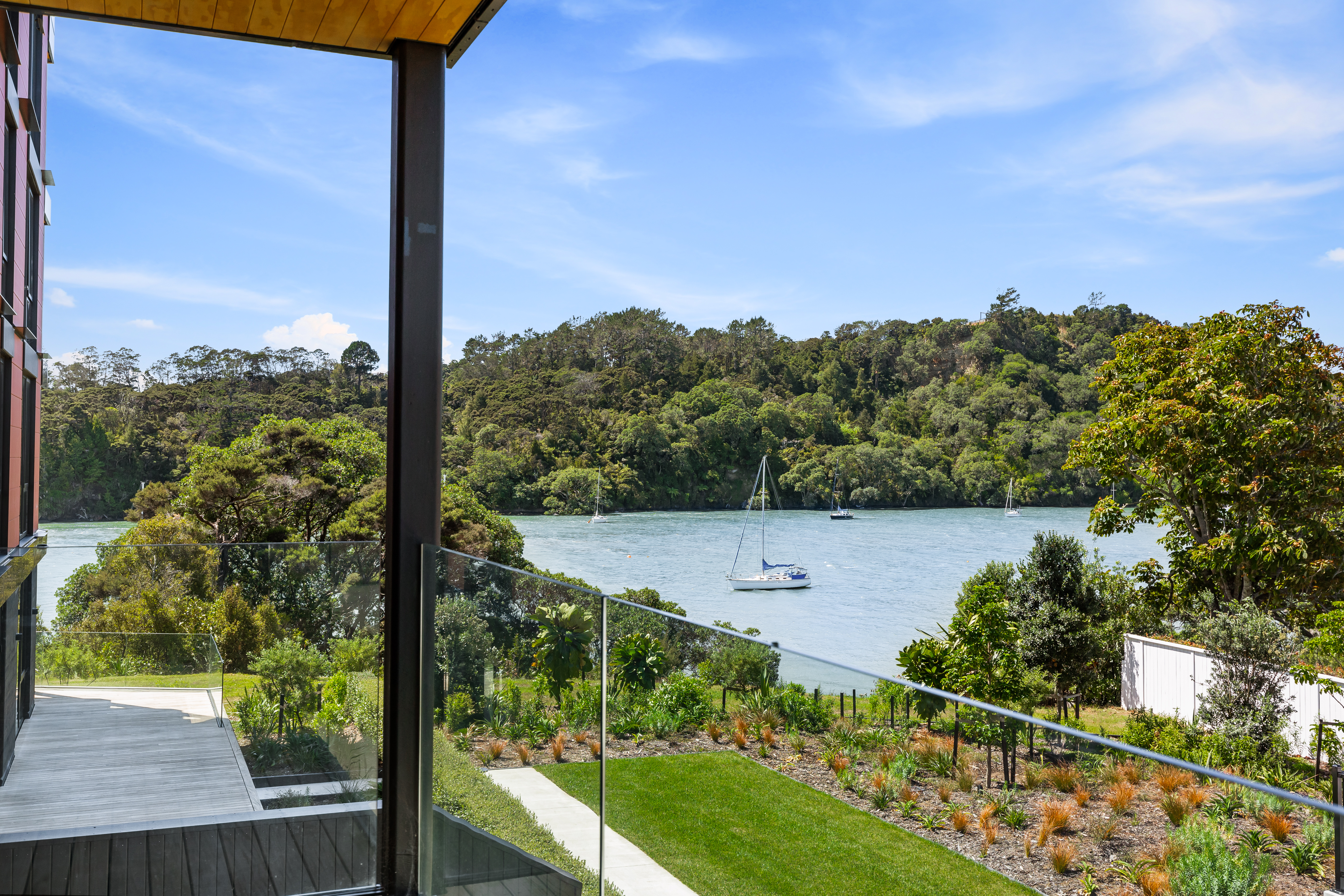
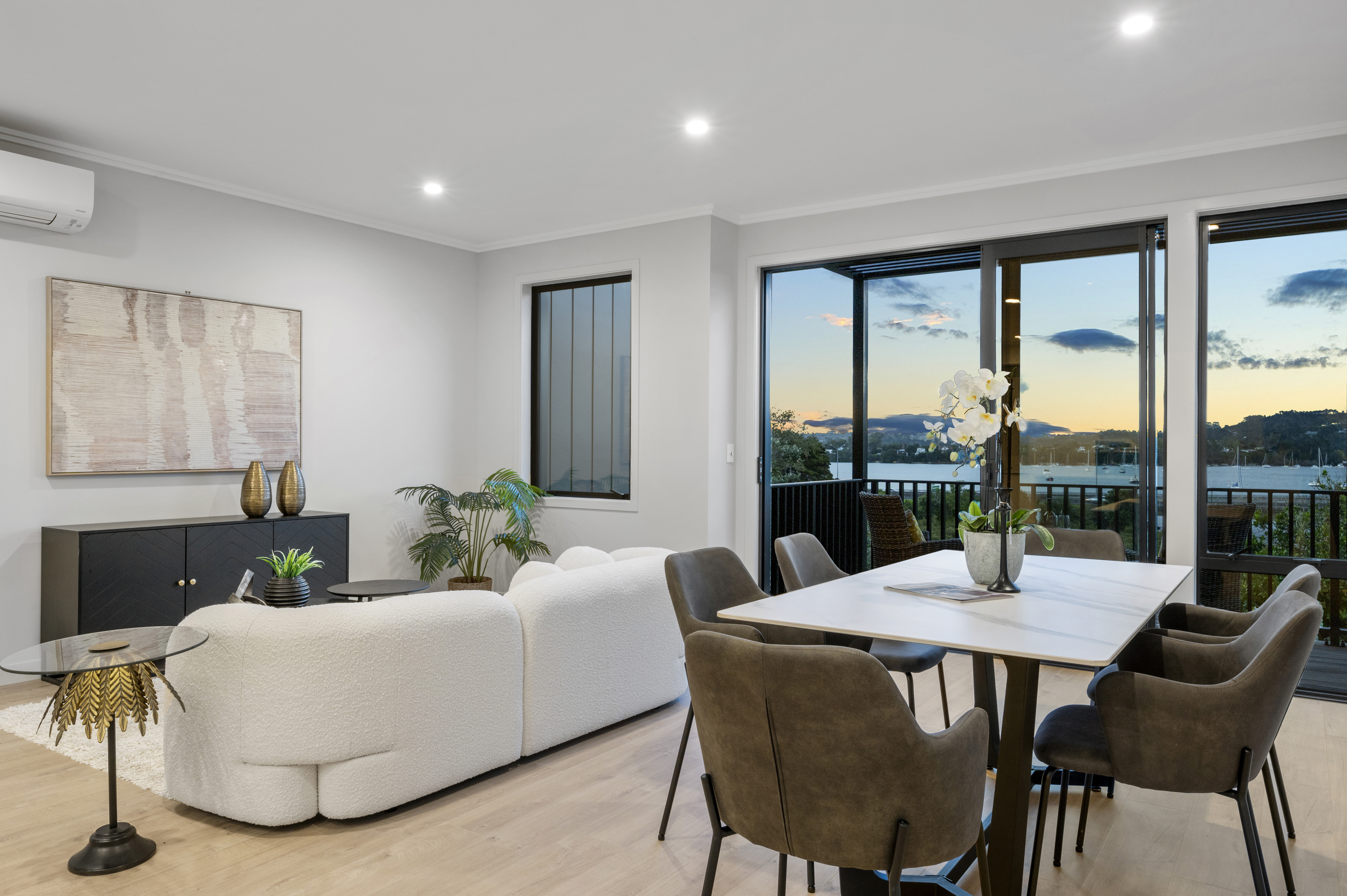
It might be a waterfront apartment with a protected or unusually open outlook.
It could be an architecturally designed family home with generous proportions, high ceilings and spaces made for entertaining.
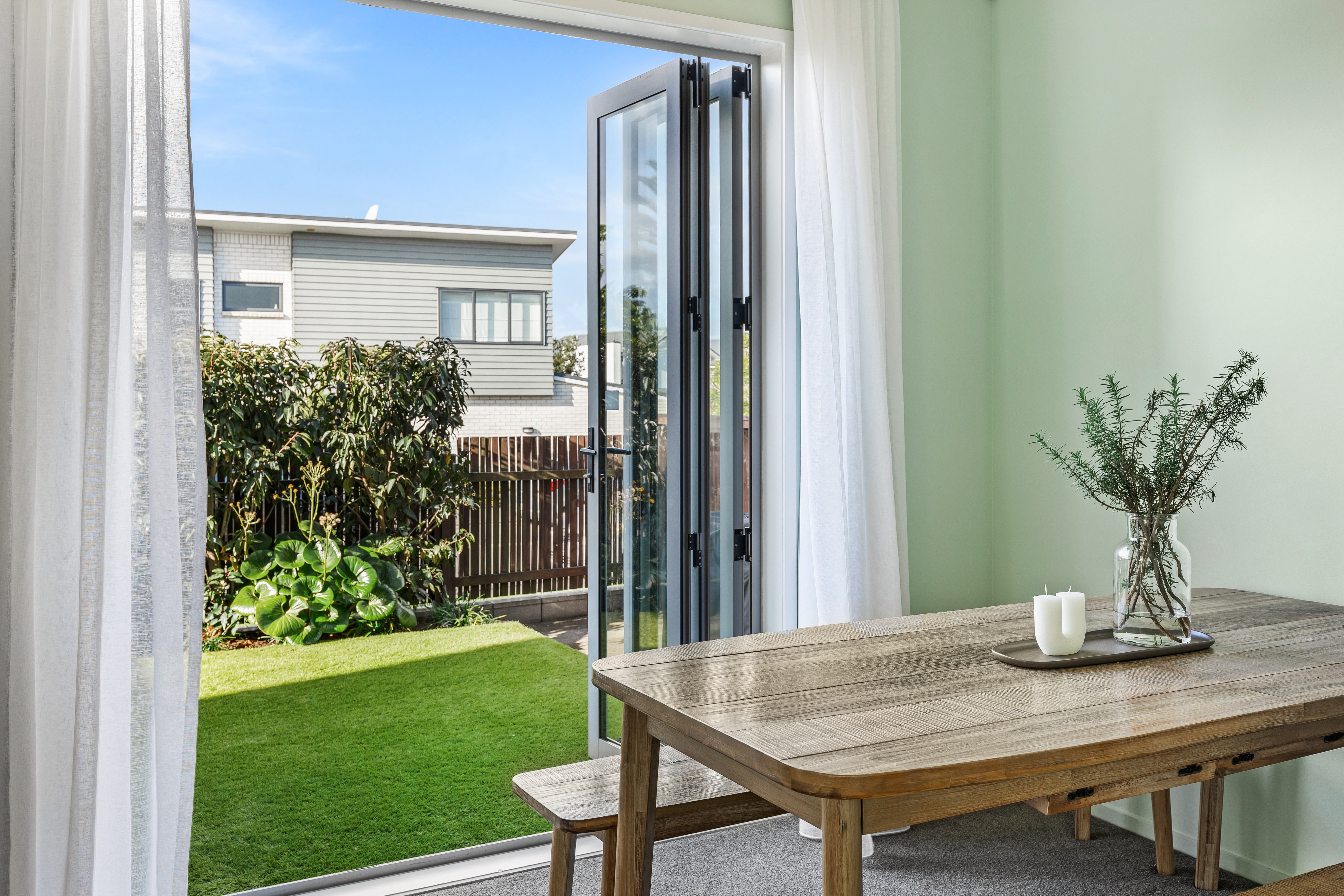
It might be a townhouse with exceptional privacy and an established garden.
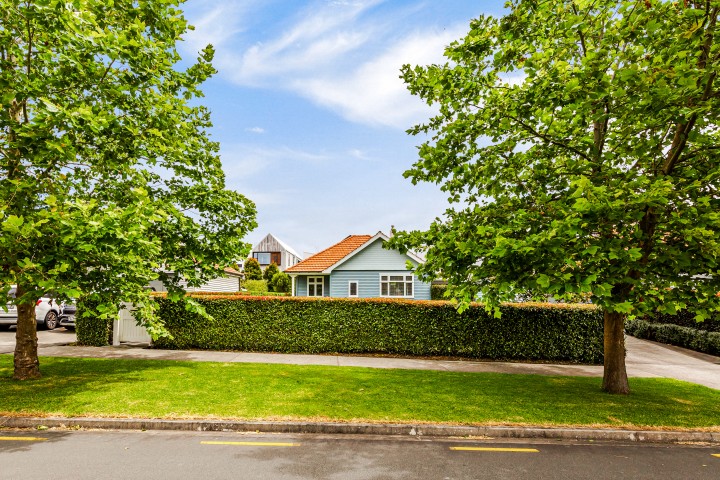
Or it could be a larger, more traditional home offering all-day sun, room for a family to grow and a sense of separation that is increasingly difficult to find.
These homes exist throughout Hobsonville, not only within one development or part of the suburb.
That matters because premium should never be reduced to an address, a price bracket or a list of inclusions.
It starts with understanding the individual home.
The hardest qualities to replace often matter most
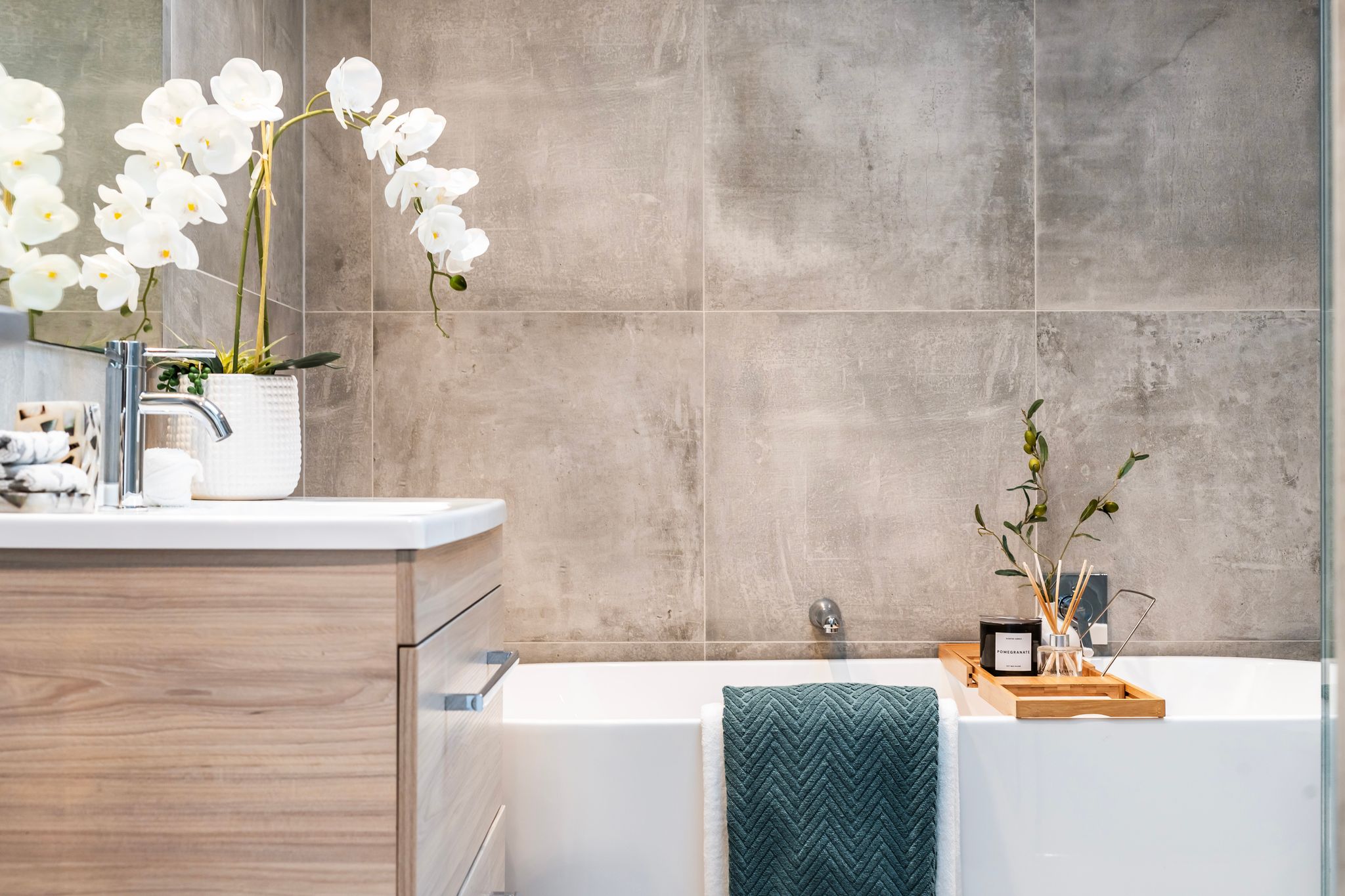
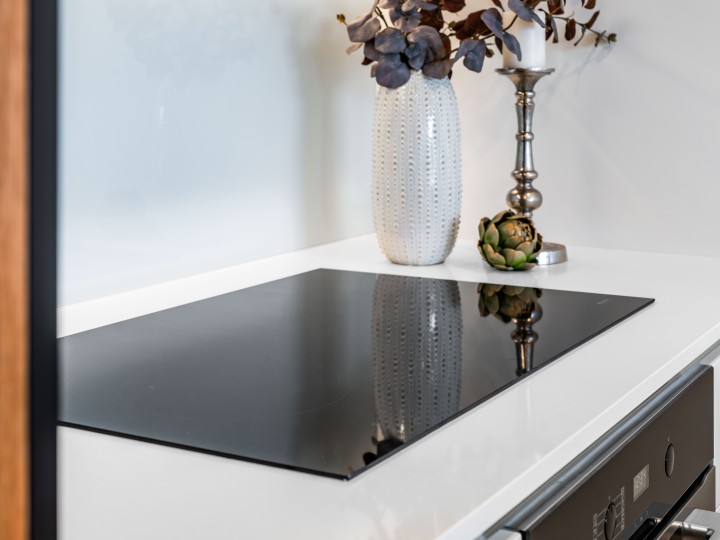
A beautiful kitchen can make a strong first impression.
So can new flooring, designer lighting or carefully selected finishes.
But those things can usually be changed.
The qualities buyers often place the greatest value on are the ones built into the property itself.
- The orientation
- The amount of natural light
- The ceiling height and sense of proportion
- The outlook from the rooms used every day
- The privacy between the home and its neighbours
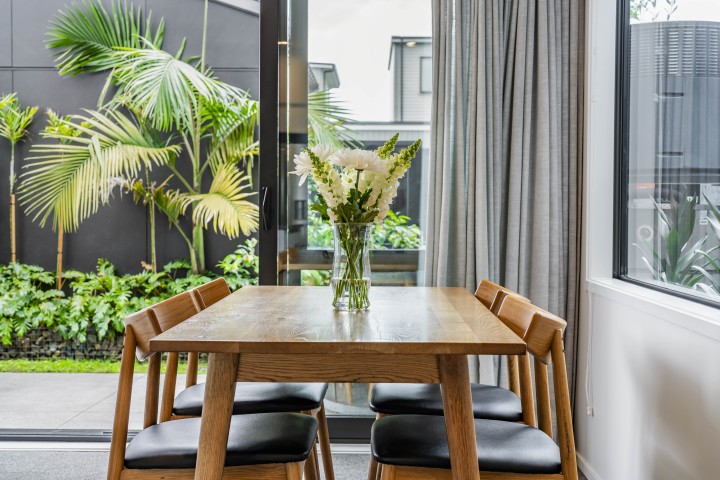
- The way the living areas connect with the outdoors
These details affect daily life long after the initial excitement of moving in has passed.
They also explain why two homes with a similar number of bedrooms and similar floor areas can feel completely different when you walk through them.
Good design is not always obvious
Some homes impress immediately.
Others reveal themselves more slowly.
A well-designed home may not rely on one dramatic feature. Instead, dozens of smaller decisions work together.
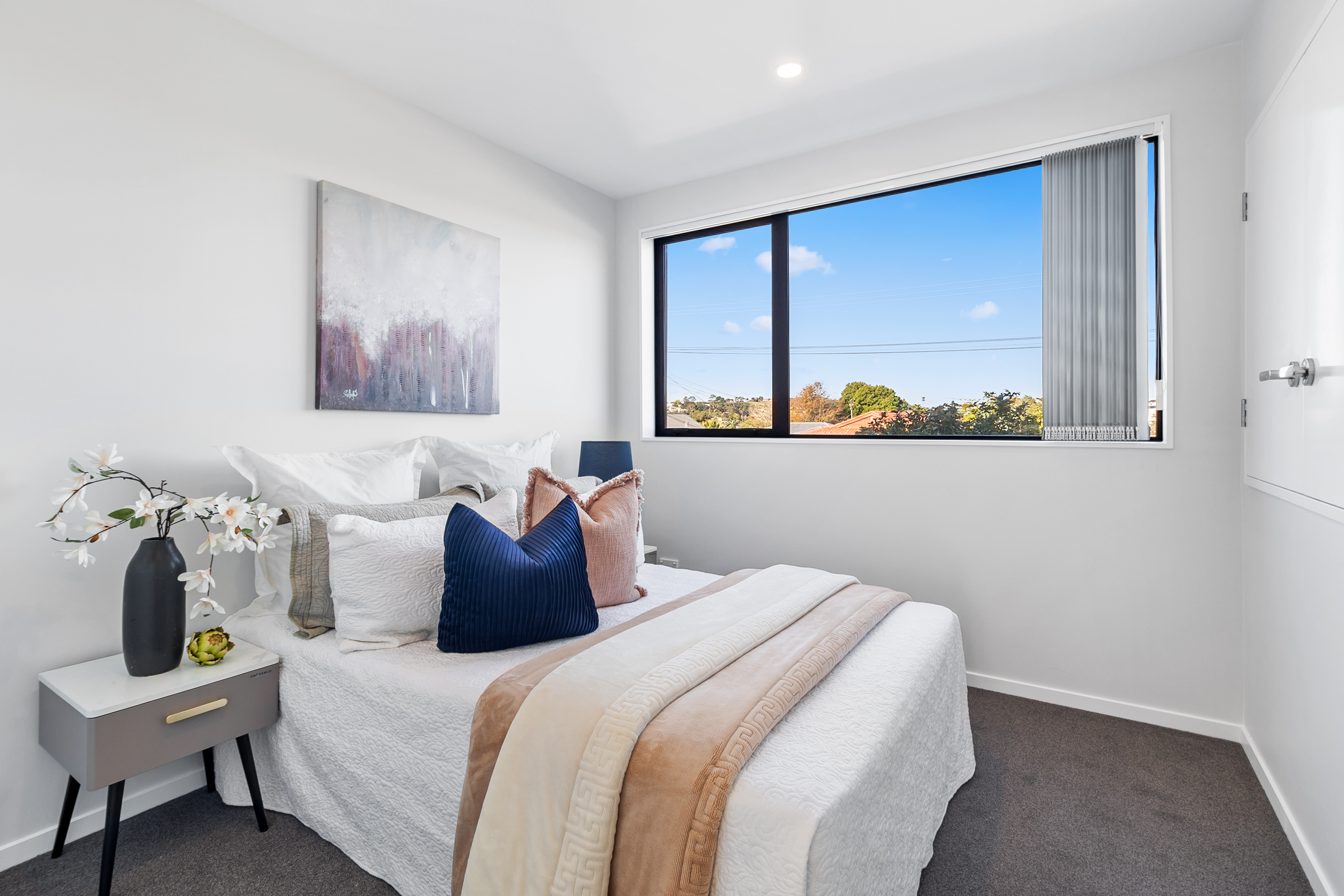
A window is positioned to capture light without looking directly into another home.
The kitchen allows someone to prepare dinner while remaining connected with family or guests.
An outdoor area feels sheltered rather than exposed.
Storage is placed where it is actually needed.
The transition between rooms feels natural.
Buyers may not be able to explain every design decision, but they often recognise the result.
The home feels calm.
It feels easy to live in.
And it feels considered.
Premium can mean having less to manage
A premium lifestyle does not always mean owning the largest property available.
For many buyers, it means enjoying more quality with fewer compromises.
That could be a connection to the water without the upkeep of a large coastal section.
It might be an established outdoor environment without spending years creating it from scratch.
For a downsizer, it may mean retaining beautiful spaces, privacy and good design while reducing the amount of property they need to maintain.
For a growing family, it may mean gaining more room without leaving the community, schools and routines they already value.
The value is not simply in how much property someone owns.
It is in how well the home supports the life they want.
The space around the home can add to how it lives
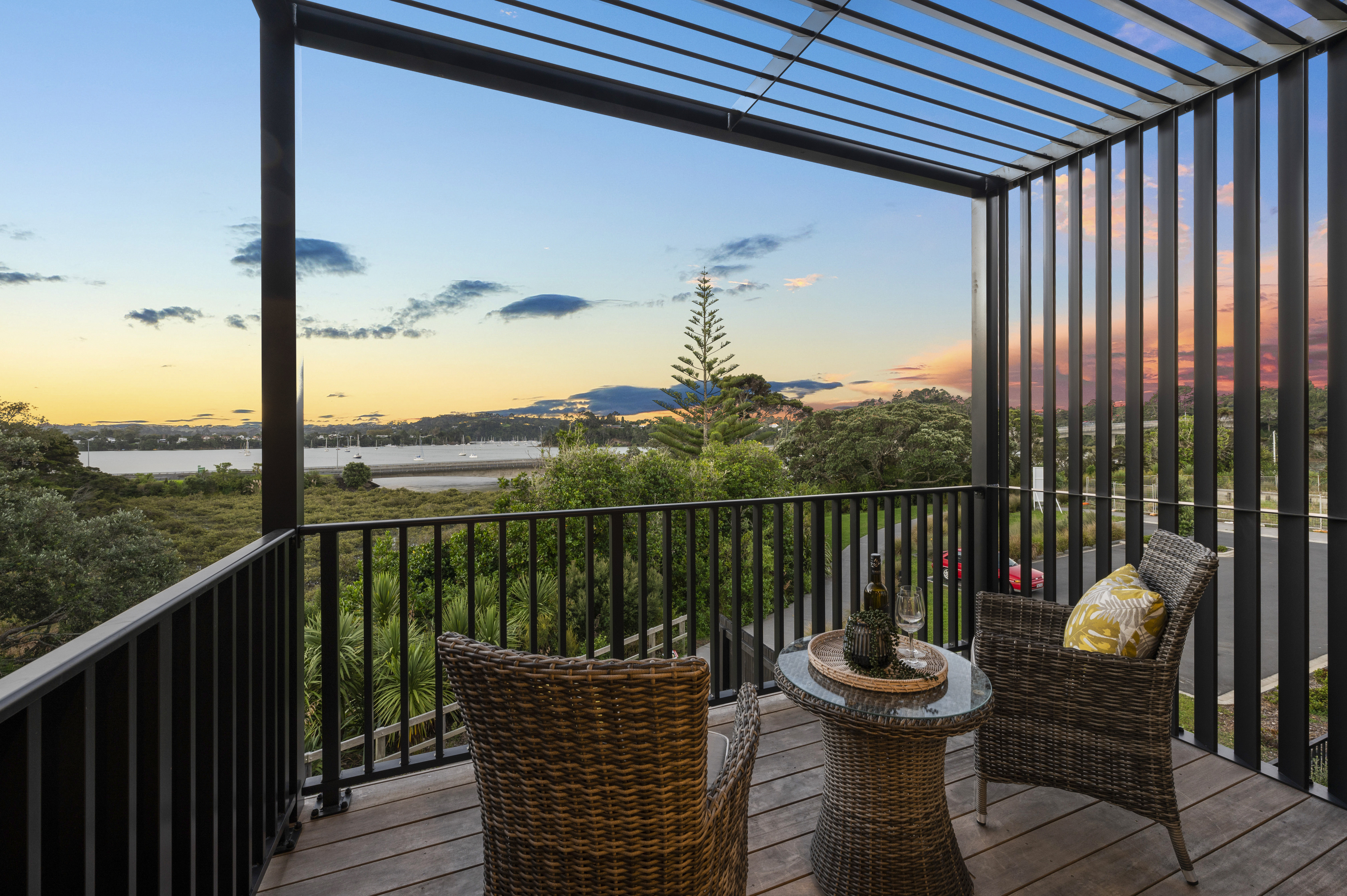
One of the distinctive qualities of Hobsonville Point is that a home can feel more generous because of what surrounds it.
An outlook across an oval, reserve, coastal edge or thoughtfully landscaped public space can feel like an extension of the property. The owner does not hold that land within the boundary, but it still shapes the light, openness and everyday outlook from the home.
That is why the relationship between a property and the wider master-planned environment can matter as much as the dimensions inside its title.
The builder and history can add another layer
Hobsonville has homes with very different origins.
Some are connected to the area’s aviation history.
Some were created as part of carefully planned waterfront precincts.
Others reflect the design approach of builders such as Willis Bond, Jalcon, Winton or Classic Builders.
The name alone does not make a home premium.
But the design philosophy, materials, setting and story behind a property can help explain why buyers respond to it differently.
A buyer may recognise the proportions of a particular builder.
They may value the way a development connects with the surrounding streets and public spaces.
Or they may feel reassured by a style of construction they have experienced before.
These details become part of the home’s identity.
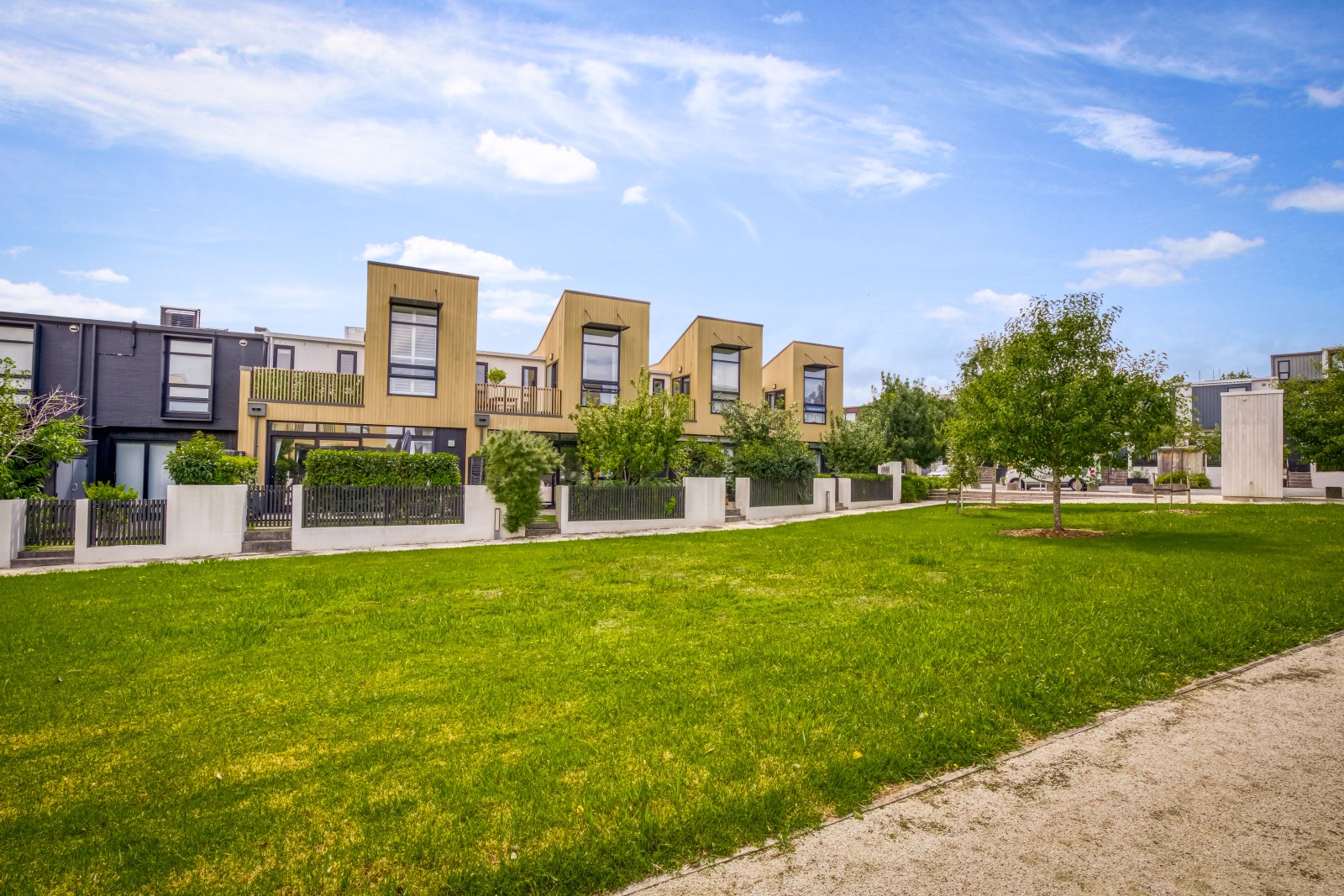
Hobsonville Point also shows that a premium street does not need to come from one builder alone. Bomb Point Drive includes homes delivered by different leading developers. The street remains cohesive because of the wider master plan, while buyers familiar with the area can still recognise differences in design and finishing when they look closely or have lived in one of the homes. That combination gives the address a strong identity without making every property the same.
Premium is specific, not generic
One of the biggest mistakes when selling a distinctive home is trying to make it sound like every other premium property.
Words such as luxury, quality and executive are easy to use.
But they do not tell a buyer what is genuinely difficult to replace.
A stronger question is:
What does this home offer that the alternatives do not?
The answer may be the view.
It may be privacy, scale, architecture, landscaping, history or the way the home has been improved over time.
Sometimes it is a combination of qualities that only becomes clear once the property is properly understood.
That difference should shape how the home is presented and who the campaign is designed to reach.

What this means for Hobsonville homeowners
A premium home is not created by calling it premium.
It is created through thoughtful design, an individual story and qualities the right buyer recognises as hard to find again.
When we first walk through a home, we are not only considering its size or recent comparable sales.
We are looking for what has been built into the experience of living there.
- What would be difficult to reproduce?
- What will a buyer remember after viewing several other properties?
- Who is most likely to place the greatest value on it?
When assessing a premium home, we keep returning to three questions: What is difficult to replace? Who is most likely to value it? And what information will help that buyer act with confidence?
Those questions help reveal what truly makes the home premium.
Because the strongest results rarely come from making a property sound more impressive than it is.
They come from understanding what is already special about it.
What makes your home difficult to replace?
The right strategy starts by identifying the qualities buyers are least likely to find somewhere else.