


Why Every Premium Home Needs a Different Selling Strategy
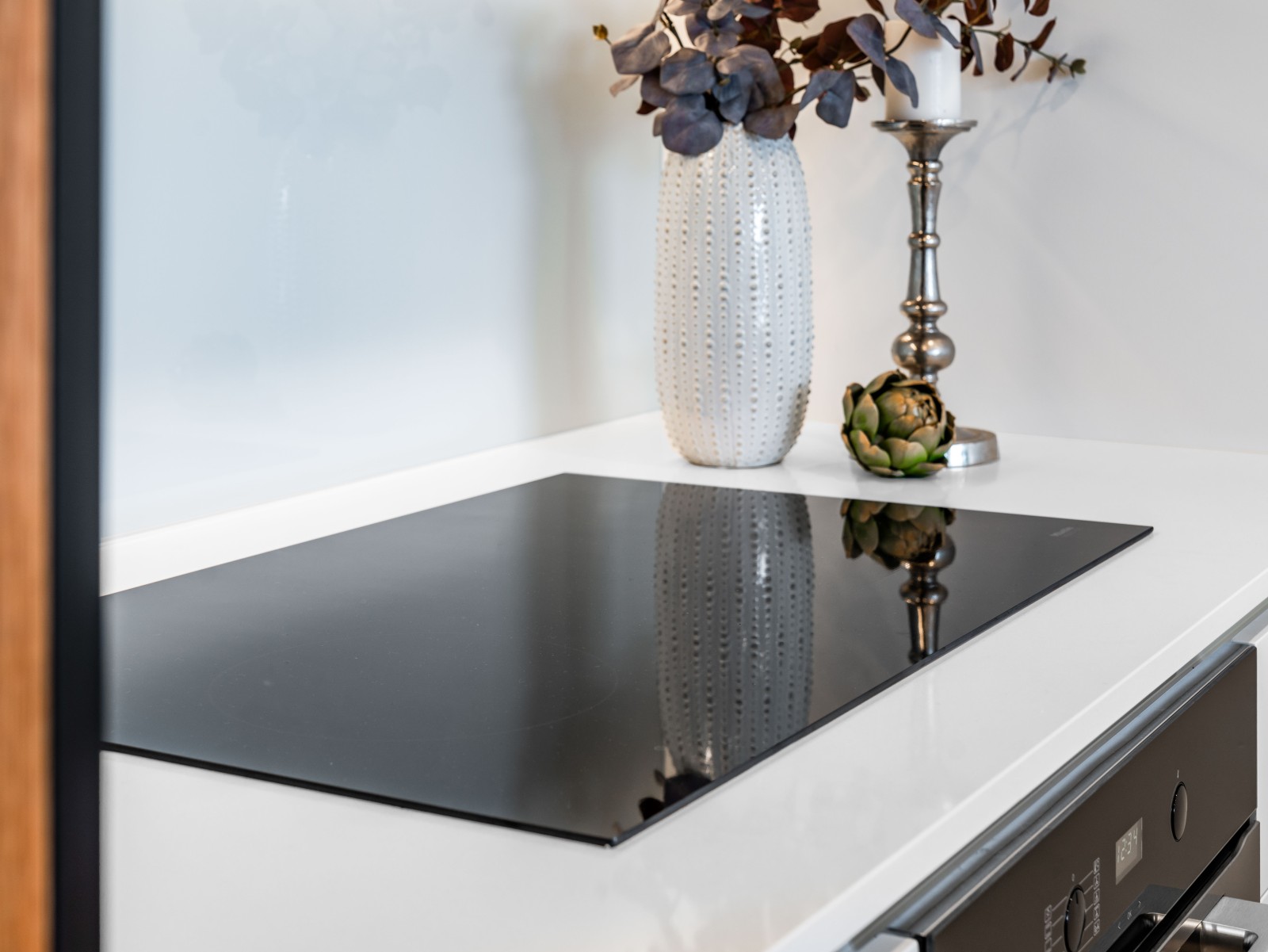
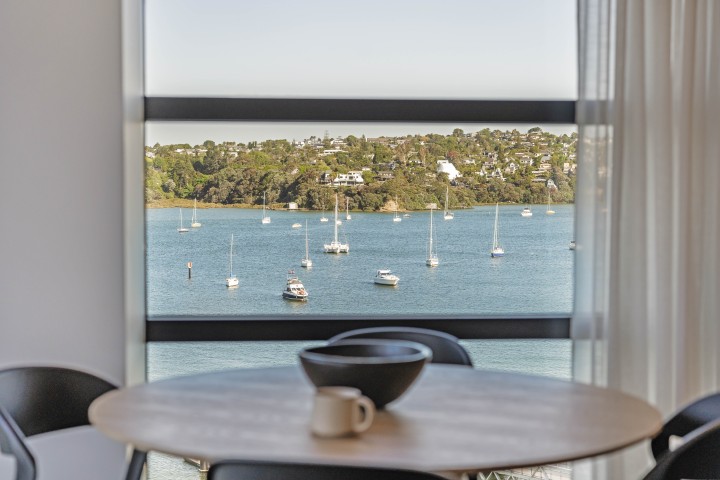
Two homes can sit in a similar price range and need completely different selling strategies.
One may need a wide campaign designed to create competition across several buyer groups.
Another may have a very specific feature that only matters deeply to a smaller audience.
That is why we do not believe there is a standard formula for selling a premium home.
The strategy should come from the property, not the other way around.
Not every feature deserves equal attention
Premium homes often have a long list of strengths.
- Architecture
- Position
- Views
- Landscaping
- Upgrades
- Materials
- Entertaining spaces
The temptation is to place everything into the advertising and give every feature the same weight.
But buyers rarely remember a list.
They remember the one or two things that make the home feel unlike the alternatives.
Before deciding how a property should be marketed, we ask:
What is the strongest reason someone would choose this home over another?
That answer should influence the photography, video, written story, audience and conversations throughout the campaign.
A strong campaign has a clear hierarchy
The hero feature earns attention. The supporting features reinforce why the home is a strong choice. The practical information gives serious buyers the confidence to move forward.
That hierarchy does not hide the rest of the home. It makes sure the most important difference is not lost among everything else.
When the garden became the strategy
One Willis Bond townhouse we represented was a beautiful, high-quality home with plenty to recommend it.
However, it also faced competition from other well-designed properties.
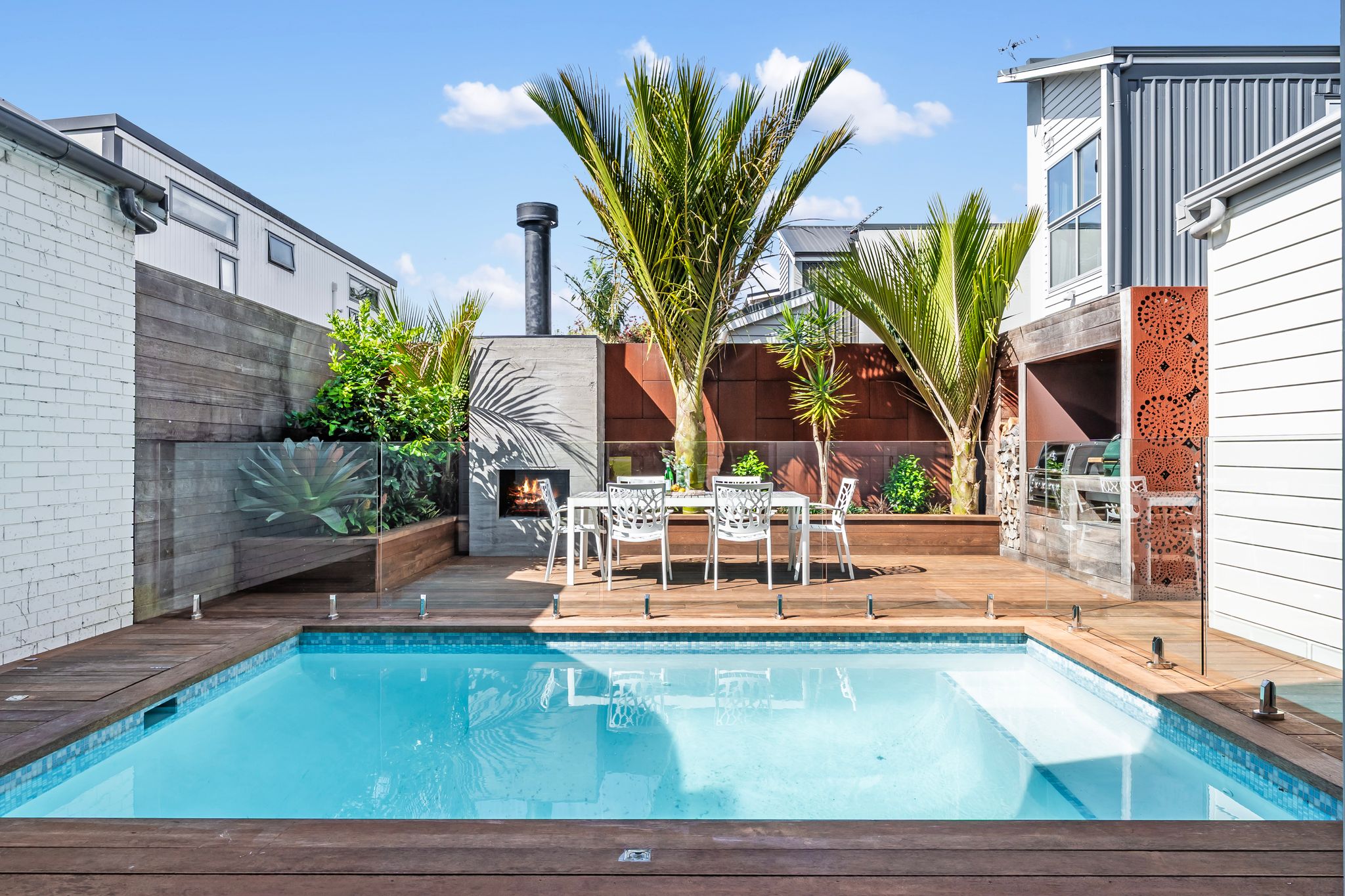
Its true point of difference was the garden.
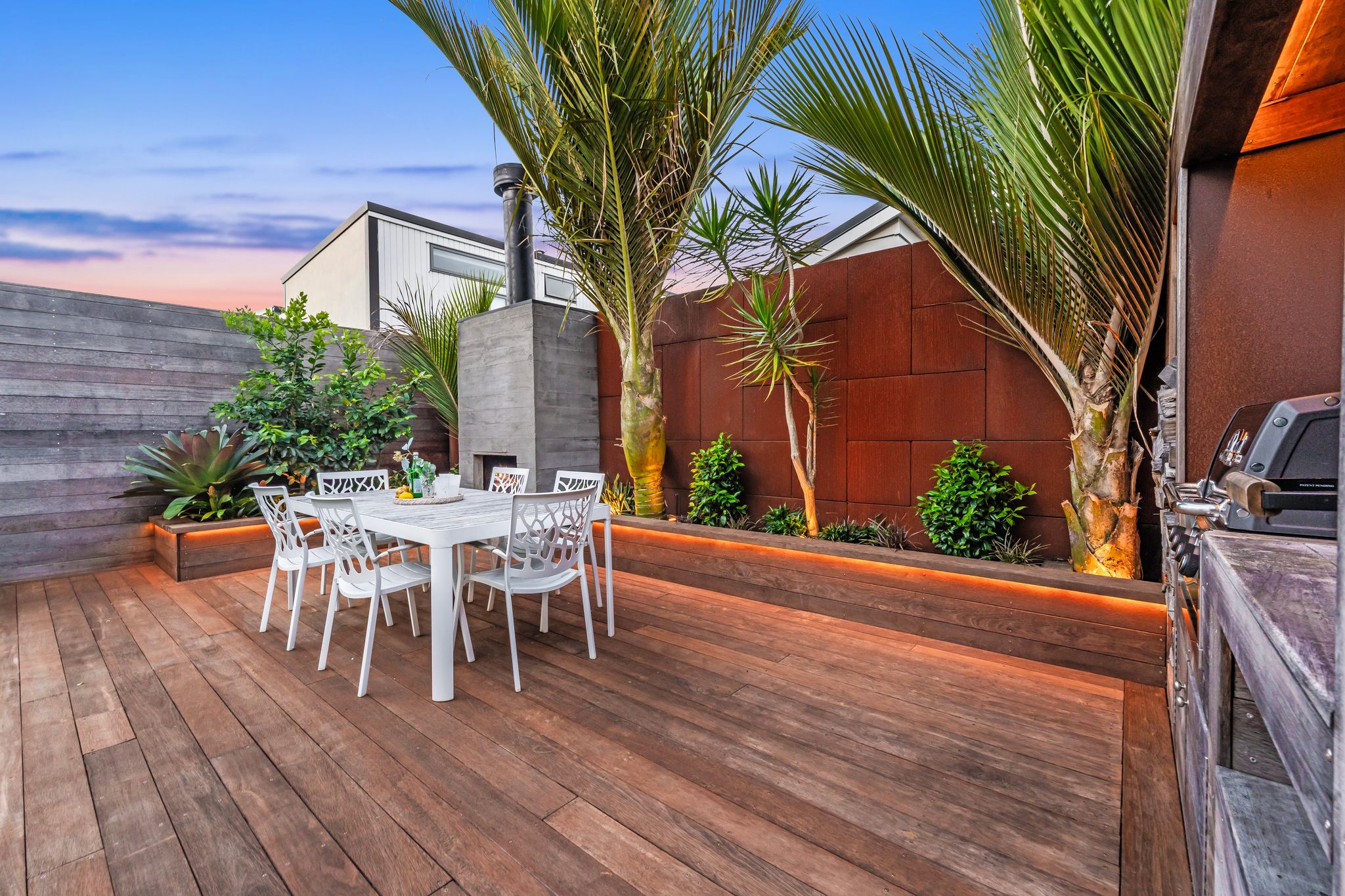
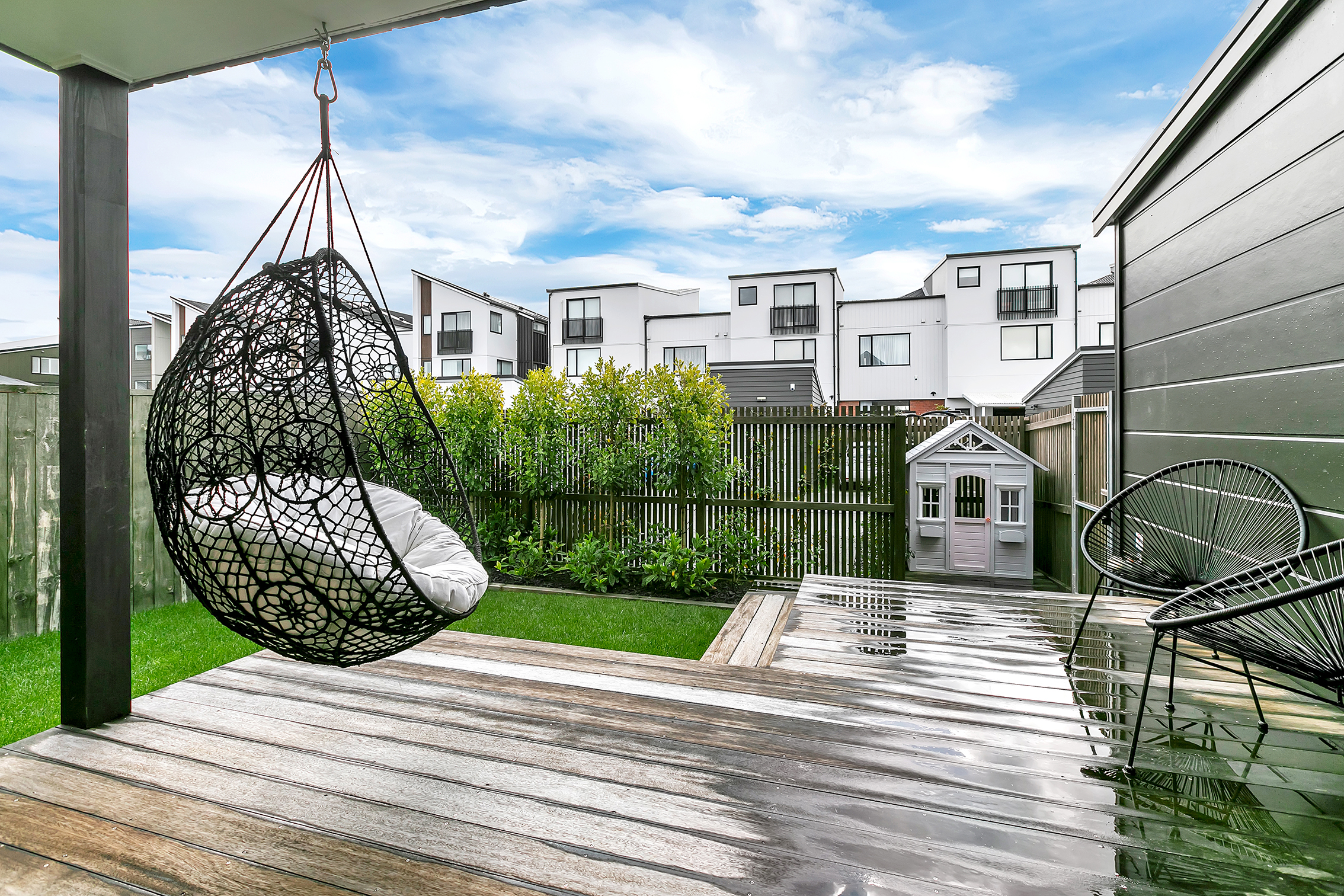
The owner had spent seven years developing it into a private, mature landscape that changed the feeling of the entire property.
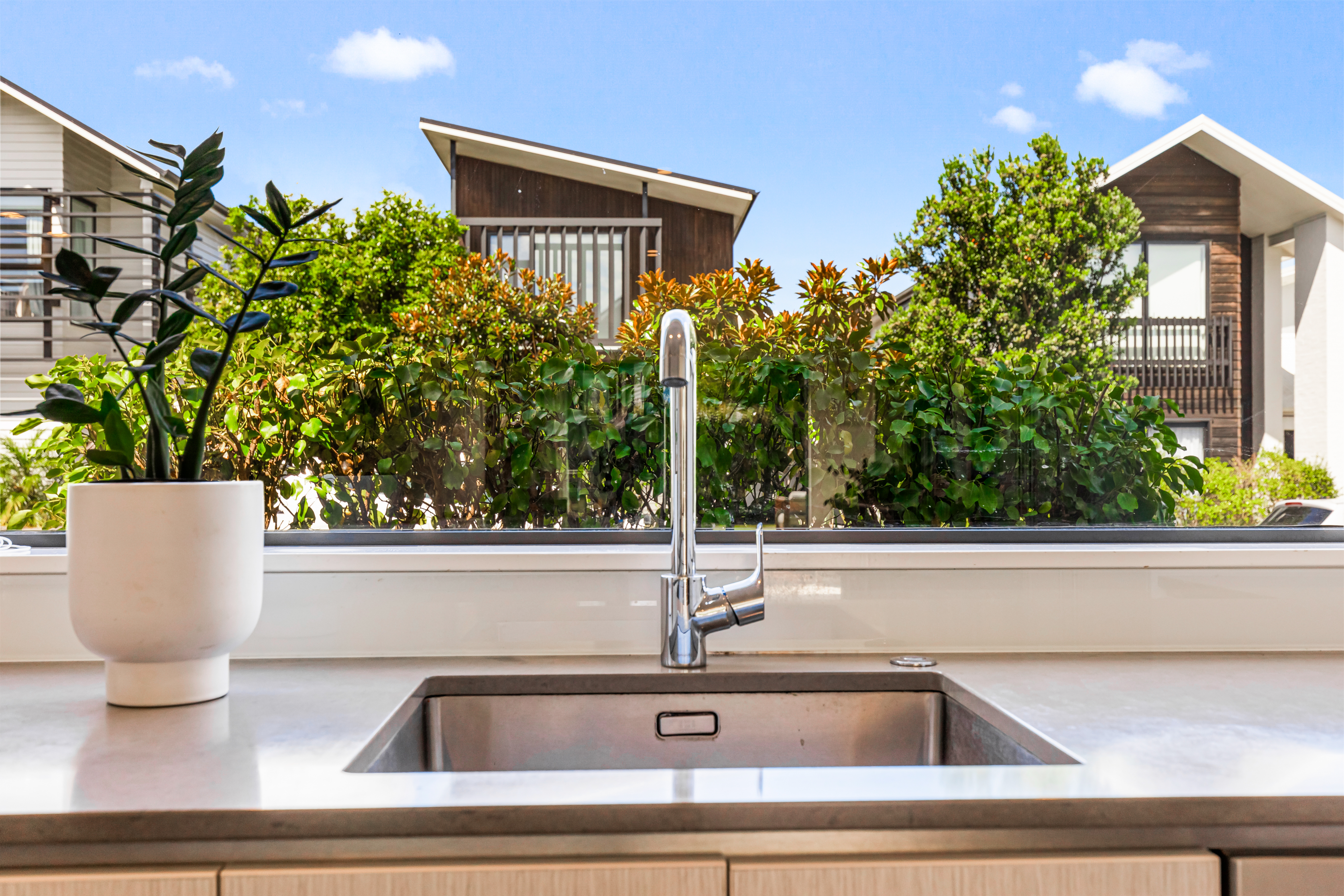
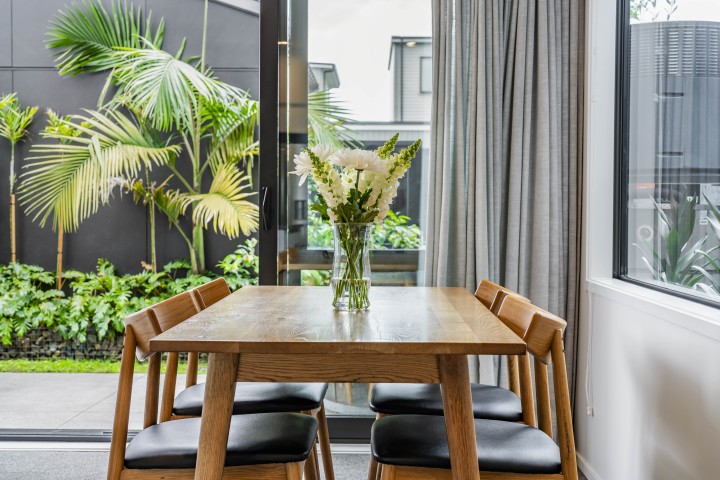
From inside the home, the outlook was green and peaceful.
Outside, the garden felt secluded and established.
It was somewhere to sit with a cup of tea, enjoy the privacy and feel almost removed from the surrounding neighbourhood.
It reminded us of a small Bali retreat.
We knew that describing it as a “landscaped garden” would not be enough.
The value was not simply in the planting.
It was in what the garden made possible.
Start with what the feature means
The campaign was shaped around the experience of living with the garden.
How it changed the view from inside.
How it created privacy.
How it offered an established environment without waiting years for planting to mature.
How it could make an ordinary morning feel more peaceful.
That led us to think carefully about the likely audience.
Someone with landscaping experience might immediately understand the work involved.
A passionate gardener could recognise the quality and maturity of what had been created.
A downsizer might value having a beautiful outdoor environment without taking on a large lifestyle property.
Rather than trying to make the garden relevant to everyone, we focused on reaching the people most likely to understand it.
The home sold to a lovely downsizer moving into Hobsonville and achieved a record price for the block.
The result did not come from presenting every part of the property as equally important.
It came from recognising the feature that should lead the campaign.
A narrower message can create a stronger response
Homeowners sometimes worry that focusing on a specific audience will reduce the number of buyers.
In reality, a clear strategy does not prevent other buyers from engaging.
It simply gives the people most likely to compete a stronger reason to pay attention.
Generic marketing may reach more people, but it can leave everyone with only a shallow understanding of the home.
Specific marketing helps the right buyers recognise why the property matters to them.
That difference is particularly important when a home has qualities that are emotional, unusual or difficult to communicate through basic specifications.
Demand can change how the floor plan should be introduced
Because we keep Hobsonville listings and buyer activity closely up to date, we can see when one type of living is attracting more competition than another.
A home may function honestly as either four bedrooms or three bedrooms with a second lounge. At times, buyers searching for flexible living are more active than those focused on the maximum number of bedrooms. In that market, we may recommend introducing the property as a three-bedroom, two-lounge home while still explaining the full flexibility of the floor plan.
The property has not changed. The audience has. Value is not determined by the number of bedrooms alone; it is also influenced by how well the layout solves the needs of the buyers currently competing.
The method of sale should support the opportunity
For a fuller comparison of the options, read Auction vs Deadline Sale: Which Works Best in Hobsonville?.
The story and audience are only part of the strategy.
The method of sale also needs to suit the property, the likely buyers and the level of competition that can realistically be created.
Some premium homes benefit from an auction because the property is difficult to price precisely and several buyers may value it differently.
Others are better suited to a deadline campaign, especially when buyers need time to work through detailed information or when the audience is more specialised.
An off-market approach can be valuable when there is already a known buyer pool, but it should be used deliberately rather than simply because it feels easier.
There is no automatically superior method.
The right choice depends on what will give the home the strongest chance of being properly discovered and competitively pursued.
The presentation needs to support the main idea
Once the central strategy is clear, every part of the campaign should reinforce it.
If privacy is the defining feature, the imagery needs to show how the home feels from inside and outside.
If architecture is the reason buyers will care, the photography should explain the proportions, materials and relationship between spaces.
If the position is rare, the campaign needs to show what that position changes about everyday life.
The goal is consistency.
A buyer should be able to move from the first image, to the video, to the open home and feel that each part is telling the same story.

Strategy continues after the campaign launches
A good strategy is not something created once and then left untouched.
Buyer enquiry, open-home behaviour and feedback reveal whether the message is reaching the intended audience.
Are the right people engaging?
Which feature are they talking about?
What is creating hesitation?
Are buyers comparing the home with the properties we expected?
Those answers help us decide what needs to be reinforced, explained differently or adjusted during the campaign.
Premium representation requires curiosity throughout the process.

What this means when selling
The strongest feature of a premium home is not always the most expensive one.
It is the feature that gives the right buyer a reason to choose the property over everything else available.
Finding that reason takes more than writing a list of inclusions.
It requires understanding what the home offers, what that means in daily life and who is most likely to care.
That is why every premium home needs a different selling strategy.
The campaign should not force the property into a formula.
It should be built around the property’s greatest opportunity.

What should lead the story of your home?
We can help identify the feature, audience and method most likely to create a strong response.